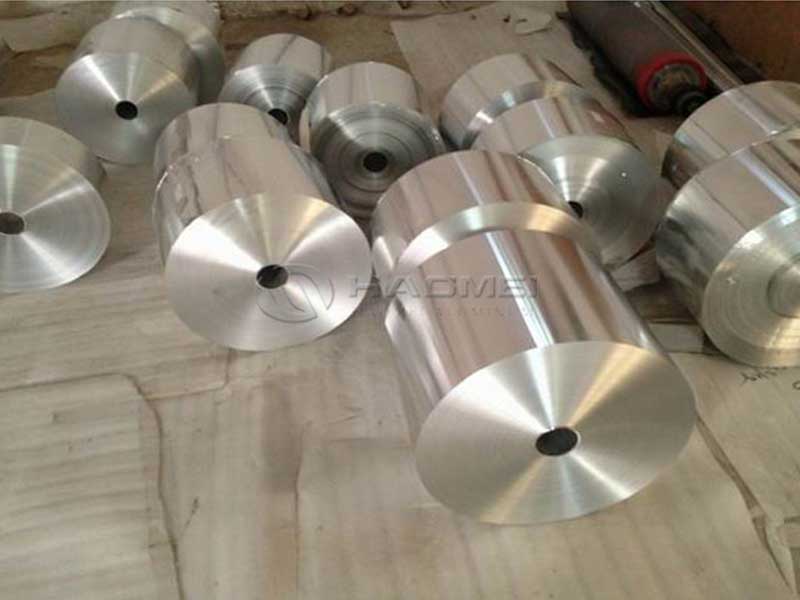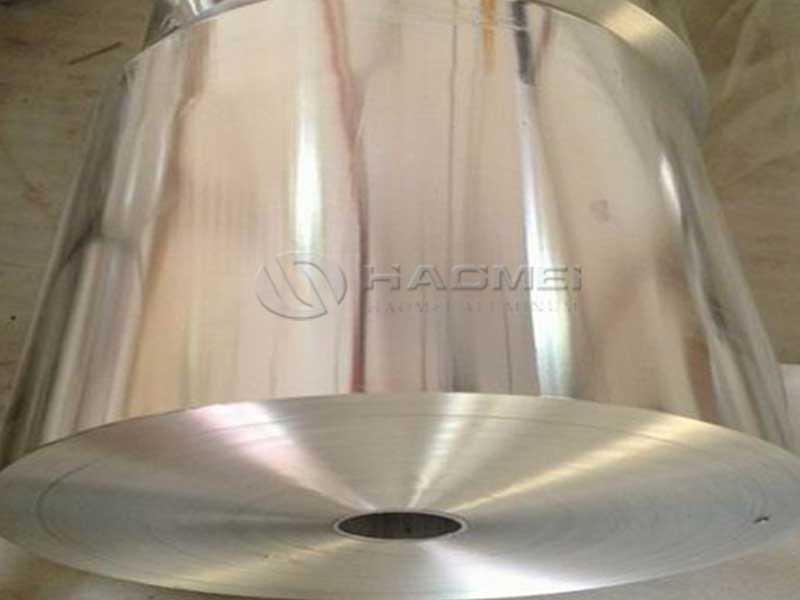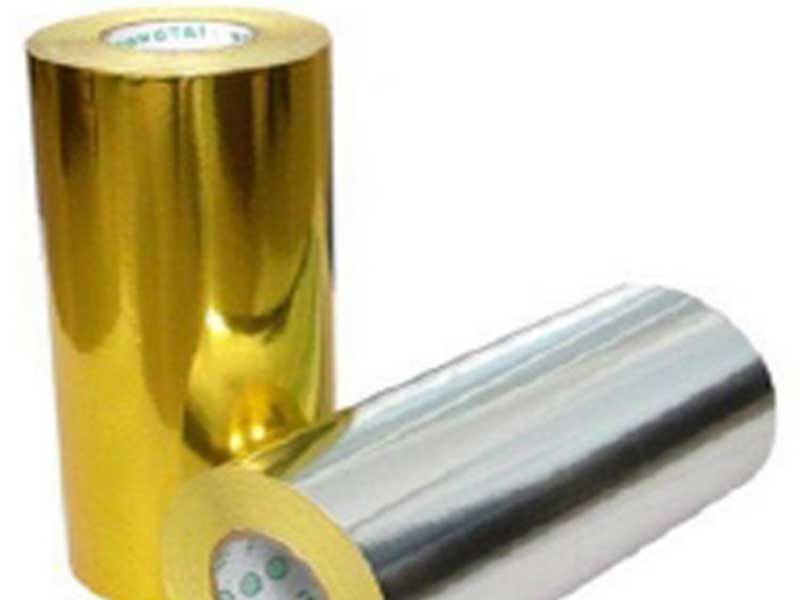
Aluminum foil Alloy 8079 8011 8006
Aluminum foil Alloy 8079 8011 8006
When people talk about aluminum foil, they often talk as if it were one product: shiny, thin, and universal. In real manufacturing, foil is more like a language with dialects. The alloy is the accent, the temper is the grammar, and the final application is the conversation you're trying to have with the market. From that angle, 8079, 8011, and 8006 are three closely related "dialects" of the 8xxx family, each chosen not because it is fashionable, but because it behaves reliably at microns-thin gauges where small metallurgical differences become large practical outcomes.
Why these three alloys dominate modern foil
The personality of 8011: the versatile workhorse
From a converter's viewpoint, 8011 often delivers dependable surface energy after appropriate degreasing, enabling stable coating and adhesive lamination. From a packager's viewpoint, it offers predictable deadfold and forming behavior when annealed to soft temper.
The personality of 8006: the "structure-first" choice
8006 tends to be selected when you want a bit more strength and puncture resistance, especially for container foil and applications that see mechanical abuse during forming, handling, and distribution. Many producers position 8006 as a stronger alternative to 8011, and it often is-particularly in harder tempers-because of its chemistry and the way intermetallic populations evolve during processing.
The practical effect appears in lid stock, semi-rigid container foil, and some industrial laminates where "don't tear" matters more than ultra-high ductility. When you are stamping, embossing, or forming into shapes, the extra margin against tearing can translate into fewer line stoppages and less scrap.
The personality of 8079: the barrier-focused specialist
8079 is often associated with high-barrier packaging, notably pharmaceutical blister foil (PTP) and other structures where pinhole control, barrier integrity, and consistent sealing performance are critical. It is frequently specified when brand owners want strong mechanical properties at very thin gauges and excellent barrier reliability, provided the rolling and annealing are executed with discipline.
From a quality engineer's viewpoint, 8079 is a "tight-spec" alloy. It can reward good process control with robust performance, but it demands careful attention to inclusion control, filtration, and rolling cleanliness because the final gauge may be extremely thin and the tolerance for defects is low.
Typical chemical composition (reference ranges)
Actual producer limits can vary by customer specification and by the chosen standard. The table below reflects commonly used reference ranges for these alloys in foil practice and should be confirmed against the applicable standard and mill certificate.
| Alloy | Si (wt%) | Fe (wt%) | Cu (wt%) | Mn (wt%) | Mg (wt%) | Zn (wt%) | Ti (wt%) | Al |
|---|---|---|---|---|---|---|---|---|
| 8011 | 0.50–0.90 | 0.60–1.00 | ≤0.10 | ≤0.20 | ≤0.05 | ≤0.10 | ≤0.08 | Balance |
| 8006 | 0.40 max | 1.20–1.80 | ≤0.30 | ≤0.15 | ≤0.10 | ≤0.10 | ≤0.10 | Balance |
| 8079 | 0.05–0.30 | 1.00–1.30 | ≤0.10 | ≤0.10 | ≤0.10 | ≤0.10 | ≤0.08 | Balance |
Temper, not just alloy, decides how the foil behaves
A subtle but decisive truth is that customers often complain about "alloy problems" that are actually "temper problems." Temper determines whether foil will fold and stay folded, whether it will crack during forming, and whether it will feed cleanly through a high-speed packaging line.
Common foil tempers include soft annealed and various hard tempers used for lidding and technical applications.
| Temper (foil practice) | Typical meaning | Practical effect in converting and use |
|---|---|---|
| O (annealed soft) | Fully annealed/recrystallized | Maximum ductility, best deadfold, good for deep forming and household use |
| H18 (full hard) | Maximum work hardening | Higher strength, less elongation, good for lids and stiff laminates |
| H19 (extra hard) | Slightly harder than H18 | Higher stiffness, can be more sensitive to cracking if over-formed |
In blister and lidding, tempers may be specified alongside coating requirements, pinhole limits, and tensile/elongation targets. The "right" temper is often the one that matches your forming radius, sealing conditions, and line speed, not necessarily the one with the best lab tensile strength.
Implementation standards and compliance reality
In international supply, aluminum foil is commonly produced and certified to standards such as EN 573 (chemical composition) and EN 485 (mechanical properties) in Europe, ASTM standards in the US market, and GB/T standards in China. For foil-specific applications, purchasers often add functional requirements that go beyond base standards, such as pinhole counts per square meter, surface cleanliness, residual rolling oil limits, wettability, coating adhesion, and sealing performance after sterilization.
For food contact and pharma, compliance is a full chain, not a single certificate. Alloy selection must be paired with controlled rolling oils, proper degreasing/annealing, and traceable documentation to meet FDA, EU food contact frameworks, or pharmacopeia-driven packaging expectations. In practice, many claims of "foil odor" or "seal failure" trace back to process chemistry and surface condition rather than bulk alloy chemistry.
Processing notes that matter at micron scale
Foil performance is often decided by details that are invisible on a purchase order.
Clean melt practice and filtration reduce inclusions that can trigger pinholes after extreme rolling reductions. Inclusion control is especially valuable when pushing thin gauges for barrier applications.
Rolling schedule and intermediate anneals shape recrystallization and texture. Texture influences formability and the "feel" of deadfold. Two coils with the same alloy and gauge can behave differently on the customer's line if their thermal history differs.
Surface management is critical for coating and lamination. Residual oil, uneven oxide, or contaminated surfaces can cause poor adhesion, fish-eyes in coating, or unstable sealing.
Choosing between 8079, 8011, and 8006 in plain terms
If you want a broadly accepted foil with a forgiving production window and stable converting behavior, 8011 is often the most economical and least risky choice.
If you want more strength and puncture resistance for container foil or demanding handling, 8006 is frequently selected to reduce tearing and deformation issues.
If you want high barrier reliability at very thin gauges and you have the process control to support tight defect limits, 8079 is commonly specified, especially in pharmaceutical and premium barrier packaging.
In the end, these alloys are not competing heroes; they are specialized tools. The smartest procurement decisions treat foil as a system: alloy plus temper plus surface state plus verification tests that match the real line conditions. When that system is aligned, 8079, 8011, and 8006 stop being "just numbers" and become predictable, profitable materials that quietly keep products safe, fresh, and compliant.
https://www.alusheets.com/a/aluminum-foil-alloy-8079-8011-8006.html