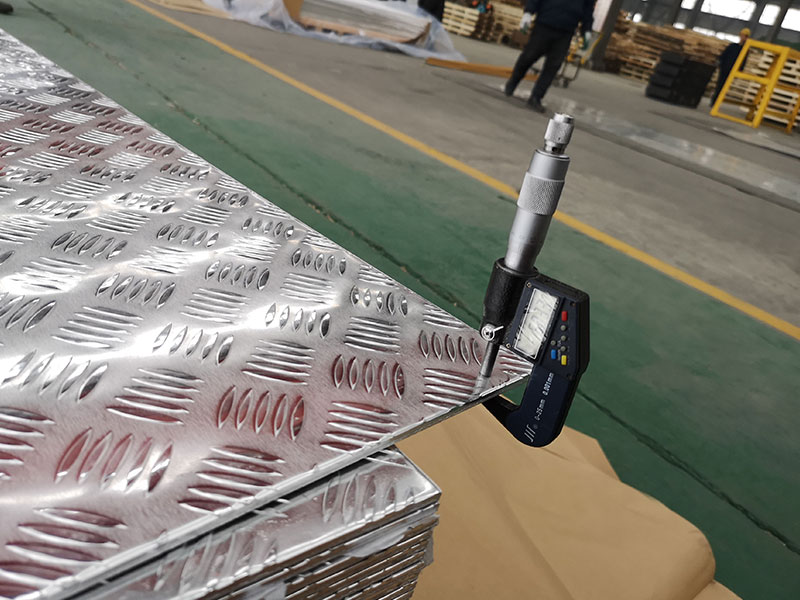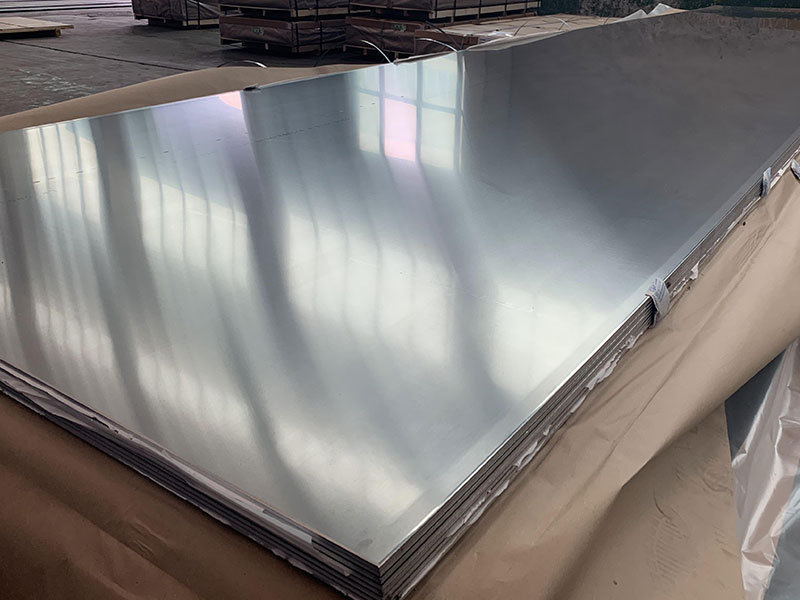
5083 5086 grade aluminum sheet for boat
5083 & 5086 Grade Aluminum Sheet for Boat: Choosing the "Right Kind of Tough"
Boatbuilders rarely fall in love with a metal because it's pretty. They choose it because it survives. In the real marine world-salt spray, wet bilges, crevice zones under fittings, repeated wave slamming-material success is measured in years of quiet reliability. That's why 5083 and 5086 aluminum sheet have become two of the most trusted marine aluminum alloys for hulls, decks, superstructures, and workboat components. They are not "generic aluminum." They are purpose-built, seawater-capable alloys designed to stay strong while resisting the corrosion patterns that punish less suitable grades.
From a distinctive perspective, think of 5083 and 5086 as two closely related "personalities" in the same family: both are Al-Mg alloys (5xxx series), both rely on magnesium for strength and marine corrosion resistance, and both respond beautifully to forming and welding when the correct temper is chosen. The difference is in balance-slightly different chemistry and performance emphasis that can matter depending on whether you're building a fast patrol craft, a fishing boat, a yacht, or a heavy-duty landing craft.
Why 5xxx Marine Aluminum Works So Well on Boats
5083 and 5086 are non-heat-treatable aluminum alloys. That sounds like a limitation until you see the advantage: their strength comes mainly from magnesium content and strain hardening (work hardening), not from heat treatment cycles that can complicate fabrication. In boatbuilding, welding is everywhere. A non-heat-treatable alloy keeps a more predictable relationship between welding, strength, and corrosion performance-especially when paired with the right temper and marine-grade welding procedures.
Another quiet strength of 5083/5086 sheet is their resistance to seawater corrosion, including good performance against general corrosion and a solid track record in marine atmospheres. As with any aluminum boat, design still matters: avoid crevice traps, isolate dissimilar metals, and use correct surface preparation. But if the alloy itself is the "baseline," 5083 and 5086 are among the best baselines available.
5083 vs 5086: How to Think About the Choice
5083 is often selected when higher strength is a driver. It's widely used for hull plating on workboats and high-performance vessels where robust mechanical properties are valued.
5086 is sometimes chosen for forming and toughness in certain applications, and it is a common choice for hulls, decks, and structures as well-especially where excellent corrosion resistance and good weldability are priorities alongside strength.
In practical terms, both alloys are frequently interchangeable on boat projects depending on classification, required properties, and the fabricator's preference. The decision usually comes down to required minimum strength, availability in plate/sheet sizes, and the chosen temper.
Temper Conditions: Where Performance is "Dialed In"
Because these alloys are strengthened by strain hardening, temper matters. For boat sheet and plate, common tempers include:
- H111: Lightly strain hardened. Often chosen when forming is significant or when you want good ductility and consistent performance in welded fabrication.
- H116: A marine-oriented temper with controlled mechanical properties and improved resistance to exfoliation corrosion in certain environments. Frequently specified for marine hull plating.
- H321: Stabilized after strain hardening. Often used where a good balance of strength, corrosion resistance, and stability is desired for marine service.
You'll also see O temper (annealed) for parts that require heavy forming, but it's less typical for structural hull plating because the strength is lower.
A welding reality: welding reduces strength in the heat-affected zone for any strain-hardened 5xxx alloy. Designers account for this through joint design, plate thickness selection, and allowable stress methods (often guided by classification society rules). The good news is that both 5083 and 5086 are considered very weldable using common marine filler alloys, with proper procedure qualification.
Implementation Standards Commonly Used in Marine Projects
Boatbuilders and marine fabricators often specify 5083/5086 sheet to recognized standards to ensure chemistry, mechanical properties, and tolerances are controlled. Common standards include:
- ASTM B928: A dedicated standard for high-magnesium aluminum-alloy sheet and plate for marine service, commonly including 5083 and 5086 in marine tempers such as H116 and H321.
- ASTM B209: General aluminum sheet and plate standard, used when marine-specific requirements are not mandated.
- EN 485: European standard covering aluminum sheet/plate tolerances and mechanical properties.
- Classification society requirements (such as DNV, ABS, Lloyd's Register) may apply depending on vessel type, size, and certification needs.
If your project requires class approval, the alloy grade is only the starting point; documentation, traceability, and sometimes specific tempers become just as important as the base material choice.
Typical Parameters Customers Ask For (and Why They Matter)
Marine aluminum sheet for boats is usually evaluated by a few quick but important parameters:
- Thickness range: Often from around 1.5 mm for interior panels up to 6 mm, 8 mm, 10 mm, and beyond for hull plating and structural members (availability depends on mill and whether you're buying sheet or plate).
- Width and length: Standard mill sizes reduce waste and weld seams; custom cutting supports kit production.
- Flatness and surface quality: Impacts CNC cutting, fit-up, and cosmetic finishes.
- Protective film or paper interleaving: Helps reduce handling marks before fabrication.
- Certification: Mill test certificate with heat number and compliance to ASTM/EN, sometimes with marine temper confirmation.
Chemical Composition (Typical Limits)
Below is a concise chemistry table commonly referenced for these alloys. Exact limits can vary slightly by standard (ASTM/EN), so project specifications should confirm the governing document.
| Alloy | Mg (%) | Mn (%) | Cr (%) | Si (%) | Fe (%) | Cu (%) | Zn (%) | Ti (%) | Al |
|---|---|---|---|---|---|---|---|---|---|
| 5083 | 4.0–4.9 | 0.4–1.0 | 0.05–0.25 | ≤0.40 | ≤0.40 | ≤0.10 | ≤0.25 | ≤0.15 | Balance |
| 5086 | 3.5–4.5 | 0.2–0.7 | 0.05–0.25 | ≤0.40 | ≤0.50 | ≤0.10 | ≤0.25 | ≤0.15 | Balance |
Magnesium is the headline: it boosts strength and contributes strongly to marine corrosion performance. Manganese and chromium help refine structure and improve resistance in demanding conditions.
A Practical Boatbuilder's View: Corrosion is a Design Problem, Too
Even the best marine aluminum sheet can be sabotaged by poor detailing. Boats create perfect corrosion "microclimates": trapped moisture under rub rails, salt deposits under deck hardware, dissimilar-metal contact points. 5083 and 5086 give you a strong starting point, but longevity comes from pairing the right alloy temper with smart fabrication practices-proper weld cleanup, suitable coatings where needed, isolation of stainless fasteners, and drainage that prevents standing seawater.
What to Specify When Ordering 5083/5086 for a Boat
A fast, clear purchase specification usually includes alloy, temper, thickness, size, standard, and inspection requirements. For example: 5083-H116 or 5086-H116 to ASTM B928, with mill test certificate and traceability. That single line tells the supplier you are building for marine reality, not just cutting panels for a dry indoor project.
The Takeaway
5083 and 5086 aluminum sheet are popular in boatbuilding because they behave like marine materials should: they weld reliably, they resist seawater corrosion well, and they deliver strong, stable performance when supplied in proven marine tempers such as H116 and H321. If your boat is meant to live on the water instead of merely visiting it, these alloys are less about "choosing aluminum" and more about choosing a metal that understands the ocean's rules.
https://www.alusheets.com/a/5083-5086-grade-aluminum-sheet-for-boat.html