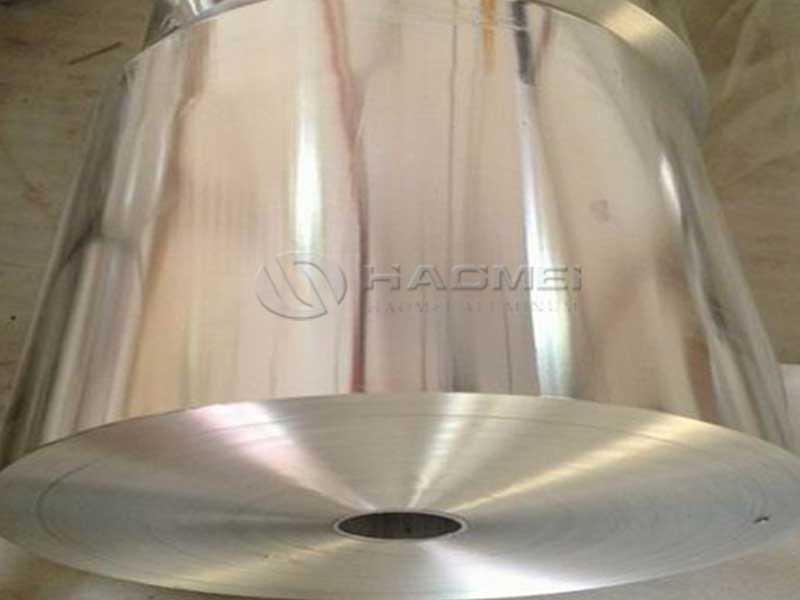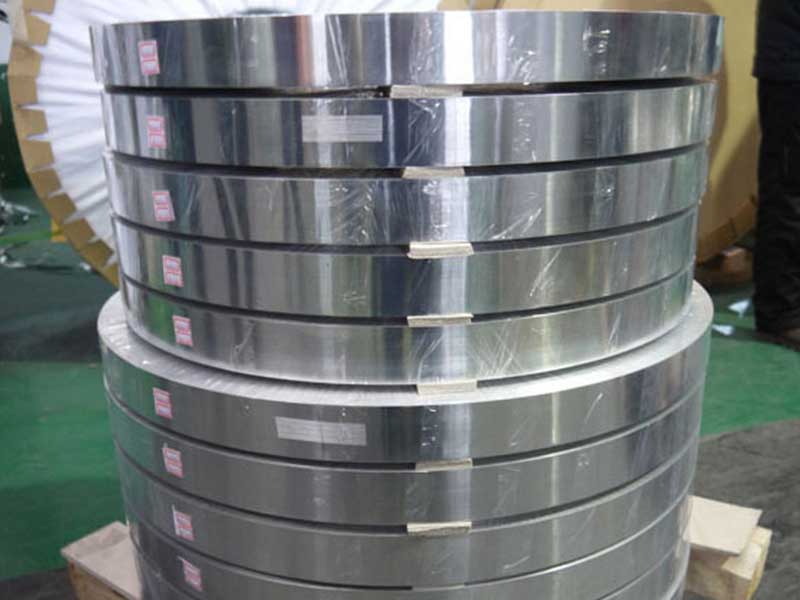
Soft temper aluminum foil 8011
Soft temper aluminum foil 8011 is a widely used material in various industries due to its excellent flexibility, corrosion resistance, and superb barrier properties.
What is Soft Temper Aluminum Foil 8011?
Aluminum alloy 8011 is a widely used alloy, primarily thanks to its excellent corrosion resistance, moderate strength, and superior formability. When processed into soft temper (commonly designated as O temper), this foil exhibits a delicate balance of flexibility and strength, making it an ideal choice for many packaging and industrial applications.
"Soft temper" means the aluminum foil is annealed to derived minimal hardness, improving ductility and enabling it to be easily shaped or crumpled without cracking — a critical asset for applications requiring bending or folding.
Functions of 8011 Soft Temper Aluminum Foil
- Barrier protection: Its dense aluminum oxide layer blocks moisture, oxygen, light, odors, and bacteria, preserving product freshness.
- Flexible sealant: The soft temperization grants ideal malleability for airtight seals in packaging.
- Thermal insulation: Beat heat conductivity to maintain temperatures in packaging.
- Corrosion resistance: Resists deterioration in most atmospheres including various chemical environments.
- Taste & safety: Does not impart odor or taste, crucial in food and pharma usage.
- Recyclability: Illuminated its eco-friendly appeal, as aluminum foil is 100% recyclable.
Common Applications
Thanks to its properties, Aluminum 8011 Soft Temper foil is used extensively in sectors such as:
| Application Area | Description |
|---|---|
| Food packaging | Wrapping snacks, baked goods, fresh produce to extend shelf life. Up to thin warning barriers in polyethylene/aluminum laminate. |
| Household foil | Kitchen use for storage and cooking due to softness and strength. |
| Pharmaceutical packaging | Blister packs and foil for sealing medicines securely. |
| Cosmetic containers | Covers tins and lids requiring shaping with delicate foiling. |
| Electrical memos | Barrier in capacitors or insulation layers. |
| Industrial insulation | Heat reflectors or covering pipes and machinery for thermal insulation. |
Chemical Composition
The superior corrosion resistance of Alloy 8011 derives from its exact elemental composition which ensures its renowned durability and formability without sacrificing strength. Below is the typical chemical breakdown according to standards such as ASTM B479.
| Element | Percentage Content (wt%) |
|---|---|
| Aluminum | Balance (minimum 97.0%) |
| Iron (Fe) | 0.95 – 1.5% |
| Silicon (Si) | 0.20 – 0.80% |
| Copper (Cu) | ≤ 0.05% |
| Manganese (Mn) | 0.10 – 0.50% |
| Zinc (Zn) | ≤ 0.10% |
| Titanium (Ti) | ≤ 0.03% |
| Others (each) | ≤ 0.03% |
| Others (total) | ≤ 0.10% |
Tempering Conditions & Definitions
Soft temper aluminum discussed here generally conforms to the O temper as per international standards:
| Designation | Description | Tensile Strength (MPa) | Elongation (%) |
|---|---|---|---|
| O (Soft) | Annealed, minimal hardness | 35–55 | Typically ≥ 28 |
| H14 (Half Hard) | Slight strain hardening (for comparison) | 95–115 | ~3–6 |
The soft temper aluminum 8011 remains highly ductile and easy to manipulate using standard mechanical processing methods due to annealing (normally at ~350–415°C).
Technical Specifications
| Parameter | Value/Range |
|---|---|
| Alloy designation | 8011 |
| Temper designation | Soft temper (O) |
| Thickness range | 6 µm - 150 µm |
| Width range | Typically up to 1500 mm |
| Density | 2.70 g/cm³ |
| Tensile strength | 35 - 55 MPa |
| Elongation at break | ≥ 28% |
| Thermal conductivity | Approx. 237 W/m·K |
| Electrical resistivity | ~2.65 μΩ·cm |
| Melting point | Aluminum 660°C aesthetic breakdown of 8011: ± 600 – 650°C |
Implementation and Industry Standards
Aluminum foil 8011 soft temper manufacturing, packaging, and purchasing adhere to rigorous technical requirements demonstrated across these relevant industry standards:
- ASTM B479 — Specification for Aluminum and Aluminum-Alloy Foil for Flexible Barrier
- EN 573-3:2019 — Chemical Composition of Aluminum and Aluminum Alloys
- DIN 1735 — Aluminum foils — terms, types and definitions
- JIS H 4000 — Defines Aluminum Foil chemical and mechanical property standards in Japan
Meeting such standards facilitates consistency in foil quality, sourcing safety, and conformity with food-grade and medical-grade barriers.
Why Choose 8011 Soft Temper Aluminum Foil?
The 8011 alloy’s hallmark features when annealed into a soft temper mean:
- Enhanced conformability and fold-back capabilities, reducing cracking or foil damage on shaping.
- suitable mechanical properties tailored to flexible packaging and heat-intensive processes.
- Stable barrier qualities adapting excellently to controlled atmospheres.
- Reliable compatibility with coated and laminated systems.
- Economical cost while delivering superior electrical isolation and durability.
This ensures 8011 soft temper foil is a go-to material for both consumers and industrial applications focused on quality, flexibility, and sustainability.
Final Words
Soft temper aluminum foil 8011 delivers a versatile and cost-effective solution featuring great ductility, reliable corrosion resistance, and premium barrier properties which combine perfectly for packaging and protected industrial uses.
Hope this concise overview clarifies its functional characteristics and why many industries select 8011 foil in a soft temper for demanding everyday and specialty tasks.
For inquiries regarding custom optimization or specific grade certifications, please contact or visit the to tailor solutions exactly fitting your needs.
https://www.alusheets.com/a/soft-temper-aluminum-foil-8011.html