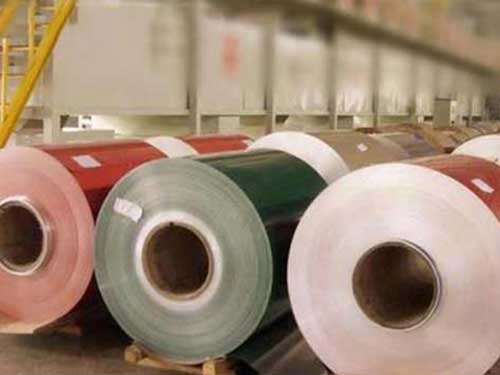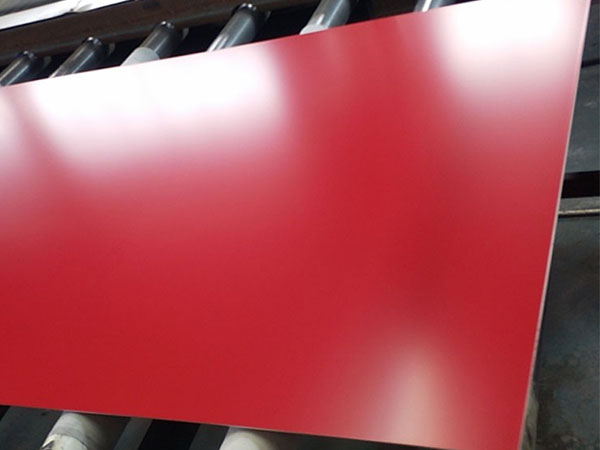
1100 1050 3003 Alloy Colour Painted Aluminium Sheets
1100 1050 3003 Alloy Colour Painted Aluminium Sheets: The "Skin" That Makes Metal Feel Finished
Colour painted aluminium sheet is often treated as a decorative afterthought-something applied once the "real" engineering is done. In practice, it's the opposite. The paint system is the sheet's working skin: it defines how the metal will look after years of sun, rain, fingerprints, salt air, cleaning chemicals, and bending at the job site. When the base alloy is 1100, 1050, or 3003, you're choosing a family of aluminium that behaves predictably in forming and finishing, then giving it a durable surface that turns raw coil into a ready-to-install material.
From a customer's perspective, this product is less like "painted metal" and more like a pre-engineered surface panel. You're buying appearance stability, corrosion management, and fabrication confidence in one sheet.
What Makes 1100/1050/3003 Painted Sheet a Practical Choice
These three alloys are widely used for colour-coated aluminium because they sit in a sweet spot: excellent workability, stable coil processing, and reliable adhesion with modern coating systems.
1050 and 1100 are high-purity aluminium grades. Their personality is "clean and compliant": soft, easy to form, and naturally corrosion resistant. They are common where deep drawing, gentle bending, or high reflectivity is valued.
3003 is the workhorse for cladding and roofing. With manganese as the main addition, it brings higher strength than 1xxx alloys while remaining very formable. For panels that need to stay flatter, resist denting better, or span a bit more, 3003 is often the practical upgrade.
Coating Systems: The Difference Between "Colour" and "Performance"
In coil coating, paint is not just colour-it's chemistry and architecture. A typical colour painted aluminium sheet includes:
- Substrate: 1050/1100/3003 aluminium
- Surface pretreatment: chromium-free conversion coating is common today
- Primer: improves corrosion resistance and adhesion
- Topcoat: PVDF, PE, SMP, HDP, PU, etc. depending on outdoor durability and cost targets
- Back coat: service coat for the underside, often in a lighter film thickness
For outdoor architectural use, PVDF and premium HDP/SMP systems are frequently preferred because they retain colour and gloss longer in UV exposure. For interior panels, signage, appliance skins, and ducting, PE is widely used for its economy and broad colour availability.
Common Parameters Customers Actually Care About
Even when buyers start with a colour code, successful purchasing usually hinges on a few technical parameters that control fabrication and longevity:
- Thickness (Aluminium): typically 0.20–3.00 mm for most coated sheet applications
- Coating thickness (Dry Film Thickness): commonly 15–25 μm topcoat; primer around 5–10 μm; back coat often 5–15 μm depending on specification
- Width: often 600–1500 mm depending on coil line capability
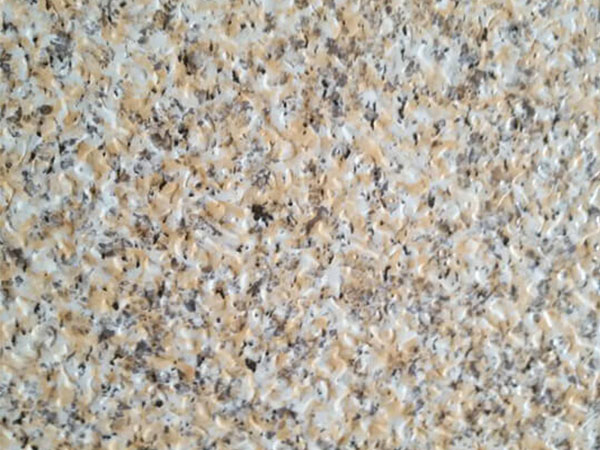
- Surface finish: gloss level and texture (high gloss, matte, textured, wrinkle, brushed effect)
- Colour standard: RAL, Pantone, or custom match with ΔE tolerance agreed
- Bend performance: T-bend requirement (for example 0T–3T) linked to temper and coating type
- Protective film: optional PE film for fabrication protection, with removable adhesive specified by temperature and duration
The "hidden" parameter is temper. Temper affects not only forming but also the micro-movement of the substrate under stress, which influences whether a coating survives tight bends without micro-cracking.
Alloy Tempering and Typical Use Logic
Colour painted aluminium sheet is supplied in various tempers. Common ones include:
- O (Annealed): maximum ductility, best for deep drawing and tight bends; lower strength
- H12/H14/H16/H18 (Strain hardened): progressively higher strength and hardness; improved dent resistance; tighter bends become more demanding
- H24: strain hardened and partially annealed; a balanced choice for forming plus strength
A simple way to choose: if your fabrication involves tight radii, hemming, or aggressive forming, lean toward O or H24. If the sheet mainly stays flat and must resist handling dents, H14–H18 is often considered, provided the coating system and bending requirements align.
Implementation Standards and Quality References
Because colour painted aluminium is used globally across construction, transportation, and industrial manufacturing, acceptance is usually anchored to a few recognized standards. In sourcing discussions, these references help avoid "same-looking but not same-performing" substitutions:
- Aluminium alloy and temper: EN 573 / EN 485 (Europe), ASTM B209 (USA), JIS H4000 (Japan) are common references for composition and mechanical properties
- Coil coating / organic coating performance: EN 13523 (test methods for prepainted metals) is widely used for bend, adhesion, impact, and corrosion tests
- Coating and corrosion tests: ISO 9227 (salt spray) is frequently cited; weathering may be specified via ASTM G154/ASTM D4329 (QUV) or field exposure requirements
- Colour and gloss measurement: ASTM D2244 (colour difference), ASTM D523 (gloss), ISO equivalents also used
Buyers benefit from specifying performance outcomes-bend class, adhesion class, corrosion hours, colour tolerance-rather than only naming a coating type.
Chemical Composition Table (Typical, wt.%)
Below is a practical reference for the base alloys commonly used under colour coatings. Exact limits can vary by standard and mill practice; final compliance should be confirmed to the governing specification.
| Alloy | Si | Fe | Cu | Mn | Mg | Zn | Ti | Al |
|---|---|---|---|---|---|---|---|---|
| 1050 | ≤0.25 | ≤0.40 | ≤0.05 | ≤0.05 | ≤0.05 | ≤0.05 | ≤0.03 | ≥99.50 |
| 1100 | ≤0.95 (Si+Fe) | - | 0.05–0.20 | ≤0.05 | - | ≤0.10 | - | ≥99.00 |
| 3003 | ≤0.60 | ≤0.70 | ≤0.05–0.20 | 1.0–1.5 | - | ≤0.10 | - | Remainder |
Note: For 1100, many standards specify combined limits for silicon and iron rather than separate maximums.
How the Alloy Choice Shows Up in Real Projects
When two panels look identical on day one, the alloy choice reveals itself later-in fabrication speed, scrap rate, and how cleanly the painted surface survives bending and installation.
- 1050/1100 painted sheet tends to feel "easy" in the workshop. Cut edges are clean, forming force is low, and complex shapes are achievable. These alloys are popular for interior decorative panels, signage, lighting reflectors with coated finishes, and applications where maximum formability is critical.
- 3003 painted sheet behaves more "architectural." It resists waviness and handling dents better, making it common for cladding, roofing, ceiling systems, roller shutters, caravan skins, and general building envelopes.
A Buyer's View: Think Like You're Selecting a Surface, Not Just a Metal
A colour painted aluminium sheet is a layered system. The alloy provides the stable, formable foundation; the pretreatment and primer protect the interface; the topcoat is the climate-facing barrier that must remain attractive. If you want fewer on-site surprises, align these elements early:
- Choose alloy and temper based on forming severity and dent resistance needs
- Match coating type to UV exposure, cleaning habits, and expected service life
- Specify bend performance, film thickness, and adhesion tests rather than relying on colour name alone
- Confirm standards, tolerances, and inspection criteria before production
When 1100, 1050, or 3003 alloy is paired with the right paint system, the result is not just a coloured sheet-it's a ready-to-use, long-life surface material that performs like a finished product from the moment it arrives.
https://www.alusheets.com/a/1100-1050-3003-alloy-colour-painted-aluminium-sheets.html