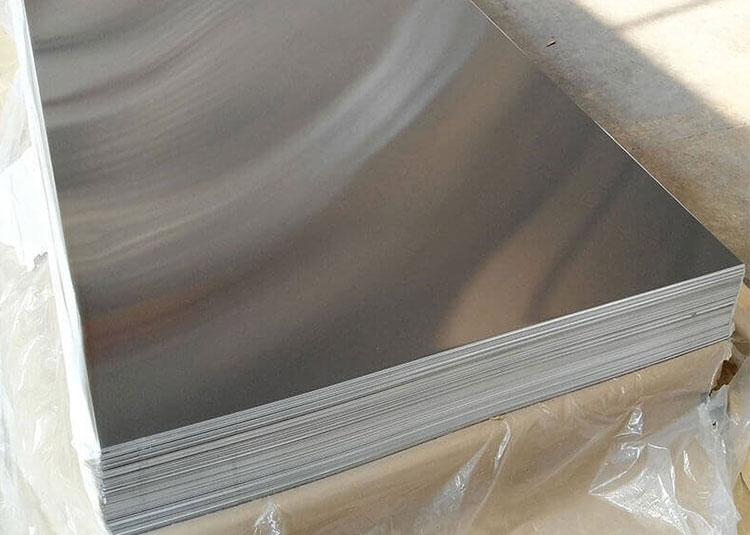
Porous aluminum plate
Porous aluminum plate is often introduced as a niche variant of perforated metal, but approaching it only as “sheet with holes” misses what makes it uniquely valuable. A better way to understand porous aluminum plate is to think of it as a controllable interface between two environments: solid and fluid, protected and permeable, structural and functional. From that viewpoint, its functions and applications become much clearer.
Below is a practical, technically grounded overview tailored for engineers, buyers, and project managers who need to specify and compare porous aluminum plates quickly and confidently.
What is a porous aluminum plate?
A porous aluminum plate is a flat aluminum sheet engineered with a controlled network of openings that allow the passage of air, gas, liquid, light, or sound, while still providing mechanical strength, stiffness, and surface protection. Unlike random mesh or foam, the pores in most industrial porous plates are designed with specific patterns, diameters, and open-area ratios, often produced by:
- Mechanical perforation (round, slotted, or custom shapes)
- Laser or waterjet micromachining
- Powder metallurgy and sintering (for micro-porous structures)
- Expanded metal processing and subsequent planar leveling
The porosity is not just a visual feature; it becomes a performance parameter that determines how the plate behaves in filtration, acoustic absorption, ventilation, structural support, and heat exchange.
Core functions from a distinctive viewpoint
Instead of listing applications first, it is more useful to look at the functions that porous aluminum plate can perform inside a system.
Controlled permeability
By tuning pore size, pitch, and open-area ratio, designers can manage:
- Fluid flow: regulating airflow in HVAC diffusers, intake grilles, battery ventilation plates
- Pressure equalization: preventing pressure spikes in sealed enclosures while keeping out debris
- Drainage: allowing liquids to drain from platforms, facades, and equipment housings
A typical industrial porous aluminum plate might feature:
- Hole diameter: 0.5–10 mm for macro-perforated sheets, down to 50–500 µm for sintered or micro-perforated designs
- Open area: 5–60%, depending on required strength and flow
- Plate thickness: 0.5–8 mm for common architectural and mechanical uses, thicker for load-bearing panels
The relationship between thickness and hole diameter is crucial: thinner plates with large holes may deform under load, while very thick plates with small holes can restrict flow and increase pressure drop.
Structural filtering and separation
Porous aluminum plate acts as a structural filter, not just a porous layer:
- In air and gas filtration, it supports filter media, enabling high flow while maintaining flatness and rigidity
- In liquid systems, it functions as a rigid sieving surface or distributor plate, balancing flow across a vessel cross-section
A distinction from wire mesh or polymer screens is dimensional stability: aluminum plates resist stretching, warping, or collapse in demanding assemblies, especially at elevated temperatures.
Acoustic and thermal management
From an acoustics standpoint, porous aluminum plate becomes an engineered acoustic interface:
- Micro-perforated or fine-hole plates create acoustic resistive layers, converting sound energy into heat through viscous losses in the small pores
- When combined with an air cavity or absorbent backing, they form broadband sound absorbers for enclosures, machine guards, and building interiors
Thermally, aluminum’s high conductivity (around 170–230 W/m·K depending on alloy and temper) allows porous plates to:
- Spread and dissipate heat while still allowing airflow
- Serve as protective, ventilated skins for power electronics, LED modules, and battery packs
The synergy between porosity and conductivity is key: the plate protects and stiffens, yet does not block convection.
Surface protection with selective openness
Porous aluminum plates are often used as exposed layers:
- They provide impact and abrasion protection for sensitive components
- They maintain optical openness or airflow, depending on hole geometry
- They act as EMI/RFI shielding surfaces when combined with conductive gaskets or coatings
The concept here is “selective openness”: the plate can be tuned to be visually transparent at certain angles while still physically shielding the interior.
Typical alloys, temper conditions, and mechanical behavior
Most porous aluminum plate is produced from standard wrought aluminum sheet alloys that balance formability, strength, and corrosion resistance. Common choices include:
- 1050 / 1100 series: commercially pure aluminum, excellent formability and corrosion resistance, lower strength
- 3003 / 3004: manganese alloys, improved strength, very good corrosion resistance, widely used in HVAC and general industrial components
- 5052: magnesium alloy, high corrosion resistance (especially in marine and salt environments), good strength and formability
- 5754 / 5083: higher strength marine-grade alloys, suitable for structural and offshore applications
- 6061 / 6063: Al-Mg-Si alloys, heat-treatable, high strength, used where stiffness and load-bearing capacity are critical
Temper designations influence properties directly relevant to perforation and service life:
- O (annealed): maximum formability, lowest strength, well-suited for intense forming then perforation
- H14 / H24 / H32: strain-hardened tempers that provide higher yield strength and stiffness, good for load-bearing porous plates
- T4 / T6 (for 6xxx alloys): solution heat-treated and naturally or artificially aged, providing high strength but requiring more care during perforation to avoid cracking
When selecting, it helps to match temper to function:
- Fine, dense perforation with complex geometry favors softer tempers (O, H14) to reduce risk of edge tearing
- Structural grilles and load-bearing porous panels benefit from harder tempers (H32, H34, T6) to maintain stiffness post-perforation
Implementation standards and dimensional parameters
Porous aluminum plates are typically produced and verified according to a combination of general aluminum standards and specific perforation or fabrication standards.
Relevant baseline standards often include:
- EN 485, EN 573: for wrought aluminum sheet composition and mechanical properties
- ASTM B209: for aluminum and aluminum-alloy sheet and plate
- ISO 7806, EN 12020 (for certain profiles): where plates are part of larger assemblies
Perforation and porosity-specific control covers:
- Hole tolerance: usually ±0.05–0.10 mm for standard mechanical perforation, tighter for laser or micro-perforation
- Pitch accuracy: essential to maintain uniform open area and consistent acoustic or flow performance
- Flatness and residual stress: controlled through rolling and leveling after perforation, especially for larger panels
Surface finishing standards may apply to anodizing and coating:
- ISO 7599 or EN 12373 for anodic oxidation on aluminum
- Qualicoat specifications for powder-coated architectural surfaces
Chemical composition and corrosion performance
Below is a representative chemical composition table for three frequently used alloys in porous aluminum plates. Values are typical ranges (mass percent) and may vary slightly by standard or producer.
| Alloy | Si | Fe | Cu | Mn | Mg | Cr | Zn | Ti | Others (each) | Al |
|---|---|---|---|---|---|---|---|---|---|---|
| 1050 | ≤0.25 | ≤0.40 | ≤0.05 | ≤0.05 | ≤0.05 | – | ≤0.05 | ≤0.03 | ≤0.03 | ≥99.50 |
| 3003 | ≤0.60 | ≤0.70 | ≤0.20 | 1.0–1.5 | – | – | ≤0.10 | – | ≤0.05 | Balance |
| 5052 | ≤0.25 | ≤0.40 | ≤0.10 | ≤0.10 | 2.2–2.8 | 0.15–0.35 | ≤0.10 | ≤0.03 | ≤0.05 | Balance |
Corrosion behavior is highly alloy-dependent:
- 1050: excellent atmospheric and chemical corrosion resistance; ideal for non-structural filters and architectural panels
- 3003: very good resistance, especially against mild industrial atmospheres; widely used in HVAC and general-purpose porous sheets
- 5052: outstanding resistance to marine and chloride exposure; preferred for coastal facades, marine platforms, and chemical equipment
Protective finishes like anodizing or powder coating significantly enhance resistance to UV, abrasion, and aggressive environments while also adding visual design flexibility.
Where porous aluminum plate excels in real applications
Viewing porous aluminum plate as a functional interface rather than a decorative sheet highlights its role in:
- Air distribution systems: diffuser plates that balance airflow while acting as structural ceiling or wall elements
- Acoustic enclosures: micro-perforated or medium-porosity panels that absorb noise while protecting machinery
- Battery and electronics housings: ventilated skins that spread heat, provide impact protection, and limit dust ingress
- Filtration and separation units: rigid supports and flow distributors that maintain geometry even under differential pressure
- Architectural facades and sunscreens: shading, ventilation, and visual screening combined in one durable, lightweight element
- Safety platforms and walkways: plates that drain liquids, maintain grip, and keep weight low
In each case, the combined effect of alloy choice, temper, porosity pattern, thickness, and finish determines the long-term performance.
selection considerations at a glance
When specifying porous aluminum plate, focus on these interrelated factors:
- Function first: airflow, drainage, acoustic absorption, shielding, or structural support
- Alloy and temper: balance corrosion resistance, strength, and formability
- Hole geometry: diameter, shape, and pitch tuned to flow, acoustic, or optical targets
- Open area versus strength: higher open area increases permeability but reduces load capacity
- Surface finish: anodized, mill-finish, or coated, depending on environment and aesthetics
- Compliance: verify conformance with relevant material and finishing standards for your industry
By porous aluminum plate as an engineered interface material, not just a perforated sheet, it becomes easier to exploit its full range of functions and to specify parameters that align with real-world operating conditions.