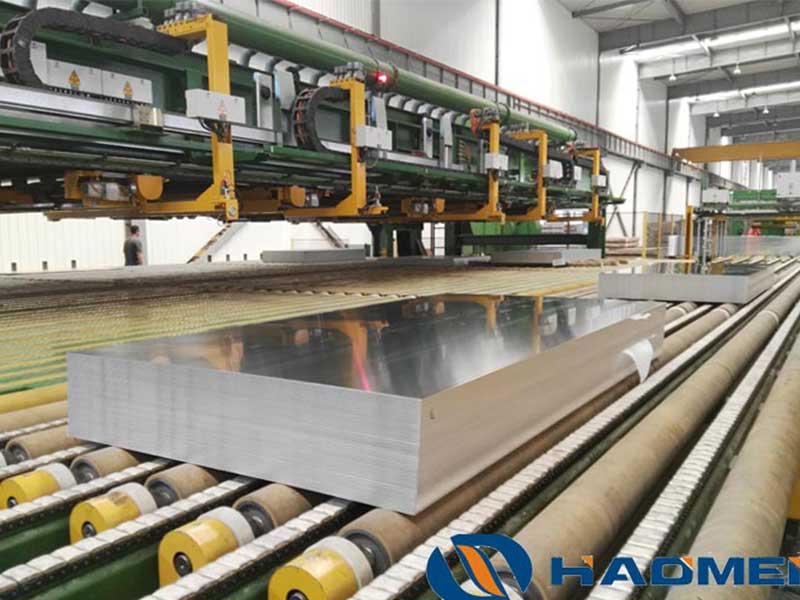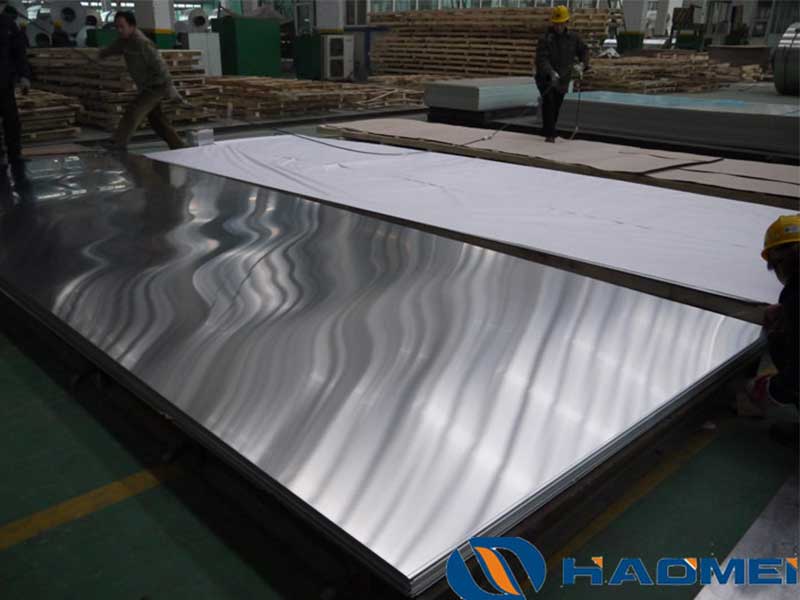
ASTM 6061 6063 6082 Alloy Aluminum Sheet Plate
ASTM 6061 6063 6082 Alloy Aluminum Sheet Plate: Three Alloys, Three Personalities, One Practical Choice
When customers ask for an "ASTM aluminum sheet plate," they often expect a single, universal answer. In reality, aluminum behaves more like a set of well-trained specialists than a one-size-fits-all material. ASTM 6061, 6063, and 6082 are all heat-treatable 6xxx-series alloys built around magnesium and silicon, yet each carries a different "working style" in fabrication, surface finish, corrosion behavior, and structural reliability. Seeing them as different personalities helps you choose faster and avoid over-specifying or under-performing in real projects.
These alloys are widely used as aluminum sheet and aluminum plate for transportation, marine-related structures, machine parts, architectural trim, pressure-adjacent components, and general engineering. Their shared advantage is balance: good strength-to-weight ratio, good corrosion resistance, and excellent manufacturability compared with many higher-strength series.
A distinctive viewpoint: pick the alloy by "how it wants to be used"
6061 is the dependable generalist. If your project includes machining, welding, and real mechanical loads, 6061 is usually the default because it behaves predictably across processes. It's the alloy that rarely surprises the workshop.
6063 is the surface and shape specialist. While it's famous for extrusion, 6063 sheet/plate is chosen when you want cleaner anodizing response, smooth surface appearance, and stable forming for lighter-duty applications. Think of it as the alloy that cares about aesthetics and consistency.
6082 is the European-style structural workhorse. It tends to deliver higher strength than 6063 and often competes with 6061 in load-bearing applications, especially where you want strong sections, good corrosion performance, and robust structural confidence.
Common product parameters customers care about
For aluminum sheet plate procurement, the same questions come up repeatedly. Below are practical parameters that determine real cost and performance, regardless of the alloy grade.
Product forms
Aluminum sheet is commonly supplied in thinner gauges and coil-derived cut lengths, while aluminum plate is supplied in thicker, stress-relieved, flatter formats depending on application.
Typical thickness range
Sheet commonly starts around 0.3 mm and runs up to around 6 mm. Plate frequently begins around 6 mm and can extend well beyond 100 mm depending on mill capability. Availability varies by supplier, width, and temper.
Standard widths and lengths
Common widths include 1000 mm, 1250 mm, 1500 mm, and 2000 mm, with lengths like 2000 mm, 2440 mm, 3000 mm, or custom cut-to-size. Tighter tolerances, special flatness, and protective film can be specified for CNC or cosmetic parts.
Surface condition options
Mill finish, one-side or two-side protective film, brushed finish, bright finish, and anodizing-ready surface are common requests. If anodizing is planned, surface consistency and alloy selection matter more than many buyers expect.
Implementation standards and typical specifications
Customers often say "ASTM aluminum," but the exact standard depends on form and temper.
Common ASTM standards used for 6061/6063/6082 sheet and plate
ASTM B209 is widely used for aluminum and aluminum-alloy sheet and plate. Many buyers also reference mechanical property requirements via temper definitions aligned with ANSI H35.1 / ASTM temper designations.
Other frequently referenced standards
EN 485 and EN 573 are often used in Europe, especially for 6082. If your supply chain crosses regions, it's normal to dual-certify to ASTM and EN where feasible.
Practical note: not every mill issues identical documentation formats. If your project needs third-party inspection, ultrasonic testing for thicker plate, or specific grain direction requirements, clarify this early.
Tempering conditions: where performance is "tuned"
The temper tells you how the alloy was processed and what performance balance you're buying. For 6xxx series, the most common conditions are:
T4
Solution heat-treated and naturally aged. This temper emphasizes formability and is often selected when parts will be formed before final strengthening.
T5
Cooled from an elevated-temperature shaping process and artificially aged. This appears often in extruded products, but it can be relevant in certain supply routes.
T6
Solution heat-treated and artificially aged. This is the go-to for strength, machining stability, and general-purpose structural performance. For many customers, "6061-T6 plate" is shorthand for reliable strength.
T651 / T6511
T6 plus stress relieving by stretching. This is especially valuable for thicker plate and precision machining because it helps reduce distortion during CNC milling.
O (annealed)
Soft, high-formability condition used when deep forming is required, followed by heat treatment if needed.
In daily purchasing, the temper can matter as much as the alloy. A well-chosen temper often solves problems that people mistakenly try to solve by switching alloys.
Application-fit snapshot: what customers typically gain
6061 sheet/plate
Common in jigs, fixtures, base plates, brackets, marine hardware, frames, and machined components. It welds well and machines cleanly, especially in T6/T651.
6063 sheet/plate
Chosen when surface quality, anodizing uniformity, and appearance are important. It suits decorative components, architectural parts, and light structural uses.
6082 sheet/plate
Often selected for structural components, transport, bridges, cranes, and higher-load fabrication where you want strong performance without moving into less weld-friendly high-strength series.
Chemical composition table (typical limits, % by weight)
Values below reflect commonly cited composition ranges for these alloys. Actual mill certificates govern acceptance.
| Alloy | Si | Mg | Fe | Cu | Mn | Cr | Zn | Ti | Others (each/total) | Al |
|---|---|---|---|---|---|---|---|---|---|---|
| 6061 | 0.40–0.80 | 0.80–1.20 | ≤0.70 | 0.15–0.40 | ≤0.15 | 0.04–0.35 | ≤0.25 | ≤0.15 | ≤0.05 / ≤0.15 | Balance |
| 6063 | 0.20–0.60 | 0.45–0.90 | ≤0.35 | ≤0.10 | ≤0.10 | ≤0.10 | ≤0.10 | ≤0.10 | ≤0.05 / ≤0.15 | Balance |
| 6082 | 0.70–1.30 | 0.60–1.20 | ≤0.50 | ≤0.10 | 0.40–1.00 | ≤0.25 | ≤0.20 | ≤0.10 | ≤0.05 / ≤0.15 | Balance |
How to read this table in a practical way: higher silicon and magnesium support precipitation hardening, manganese can improve strength and structure (notably in 6082), and lower copper generally supports corrosion resistance and anodizing consistency.
What customers often overlook, and how to buy smarter
Flatness and stress condition
If you are machining pockets, thin walls, or large surfaces, choose stress-relieved plate such as 6061-T651 where possible. It's a small specification change that can prevent warped parts.
Welding versus final strength
6xxx alloys weld well, but welded zones can soften locally. If the part depends on peak strength everywhere, design and post-weld strategy matter. Many projects succeed simply by recognizing that weld areas behave more like a lower temper.
Anodizing expectations
If appearance is critical, talk about anodizing at the quoting stage. Alloy choice, surface prep, and film thickness expectations should align. 6063 is often preferred for more uniform visual results.
Closing thought: choose by the job, not the label
https://www.alusheets.com/a/astm-6061-6063-6082-alloy-aluminum-sheet-plate.html