Dos chromized aluminium
There is a quiet contradiction inside the phrase dos chromized aluminium. Aluminium is often chosen for its brightness, light weight, and natural resistance to corrosion. Chromizing, on the other hand, is a treatment born from caution: a way of strengthening a surface that already seems capable. Put together, they describe a material that is not simply metallic, but strategic. From a practical engineering perspective, dos chromized aluminium is less about decoration and more about survival in contact with moisture, coatings, fasteners, transport stress, and time.
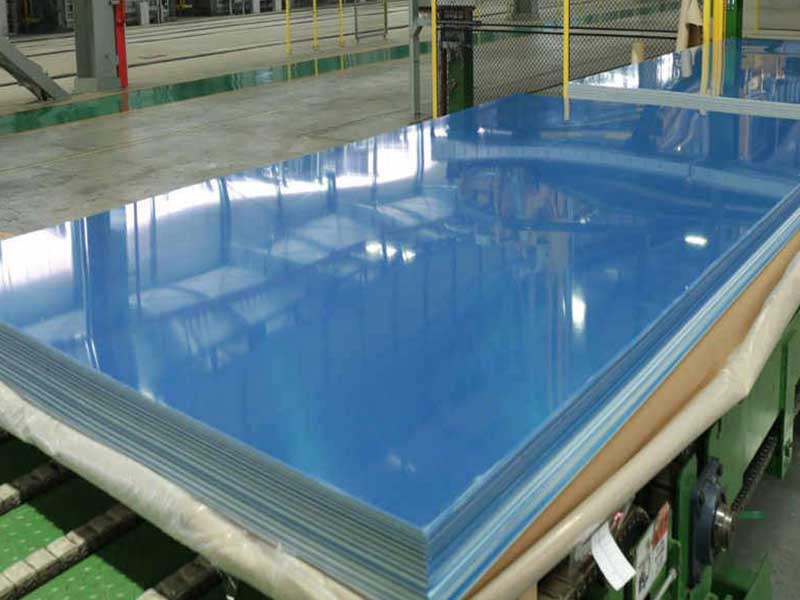
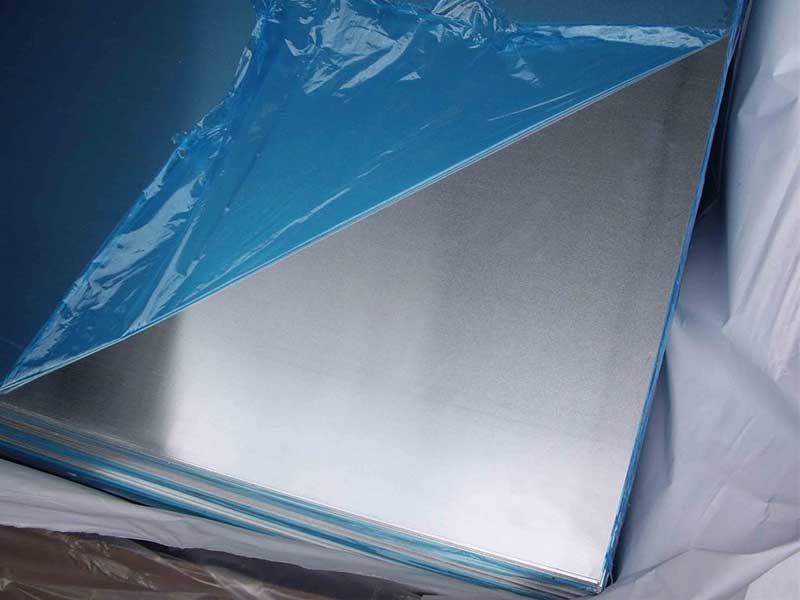
A useful way to understand it is to imagine aluminium not as a finished metal, but as a foundation waiting for a more disciplined surface. In many industrial settings, "chromized" aluminium refers to aluminium that has undergone a chromate conversion treatment, creating a thin, protective chemical layer over the substrate. This layer improves corrosion resistance, enhances paint adhesion, and helps maintain electrical conductivity better than many thicker organic coatings. The "dos" phrasing is uncommon in formal metallurgy, but in trade language it may be used to describe a double-side treated sheet, a specified surface class, or a product identified by a plant-specific designation. In purchasing and fabrication, that distinction matters: one side treated or both sides treated can affect bonding, painting, and end-use durability.
From the customer's point of view, the appeal is straightforward. Bare aluminium forms a natural oxide film on its own, but that oxide is not always enough for aggressive service environments. Coastal air, condensate, industrial pollutants, alkaline cleaners, and mechanical handling can all challenge untreated surfaces. A chromized layer adds a controlled chemical conversion film, usually in the approximate range of 0.2 to 2.0 µm, depending on process chemistry and specification target. It is thin enough to preserve dimensions and, in many cases, conductivity requirements, yet active enough to provide a meaningful barrier against corrosion initiation.
The choice of alloy behind the treatment is equally important. Chromized aluminium is not one universal material; performance begins with the substrate alloy and temper. Common industrial options include 1050, 1100, 3003, 3105, 5005, 5052, 5754, 6061, and 6063. If formability is the first concern, softer tempers such as O, H14, or H24 may be preferred in sheet applications. If structural performance is more important, 6061-T4 or 6061-T6 may be selected, though forming after treatment must be carefully controlled. In architectural trim and panel systems, 5005-H34 is often favored for its balanced anodizing and surface consistency, while 5052-H32 is respected for marine and transport environments where corrosion resistance and moderate strength are needed together.
Below is a practical reference table for common aluminium alloys that may be supplied with chromized surfaces.
| Alloy | Main Alloying Elements | Typical Temper | Tensile Strength MPa | Yield Strength MPa | Corrosion Resistance | Typical Use with Chromized Finish |
|---|---|---|---|---|---|---|
| 1050 | Al ≥ 99.5% | O / H14 | 65–110 | 20–95 | Excellent | Reflective sheet, light-duty panels |
| 1100 | Al ≥ 99.0%, Cu | O / H14 | 90–130 | 35–110 | Excellent | General fabrication, chemical equipment |
| 3003 | Mn | H14 / H24 | 140–180 | 115–145 | Very good | Roofing, cladding, appliance panels |
| 5005 | Mg | H34 | 145–185 | 110–135 | Very good | Architectural sheet, decorative panels |
| 5052 | Mg, Cr | H32 / H34 | 210–260 | 130–190 | Excellent | Marine parts, tanks, enclosures |
| 5754 | Mg | H22 / H32 | 190–240 | 80–165 | Excellent | Vehicle panels, pressure components |
| 6061 | Mg, Si | T4 / T6 | 180–310 | 110–275 | Good to very good | Structural panels, frames |
| 6063 | Mg, Si | T5 / T6 | 145–240 | 110–190 | Good | Extrusions, trim, profiles |
The chemistry of aluminium itself explains why chromizing works so well. Aluminium naturally forms a tenacious oxide layer, but conversion treatment modifies the surface into a more complex chemical film, traditionally involving chromium compounds. In classic hexavalent chromate systems, the corrosion resistance is excellent and self-healing behavior is one of the advantages. However, environmental and health restrictions have pushed many industries toward trivalent chromium systems and other chromium-free conversion alternatives. When customers ask for chromized aluminium today, one of the first things to clarify is whether the requirement allows Cr(VI) or requires RoHS-compliant, REACH-conscious trivalent systems. That is not just a paperwork issue; it affects coating performance, color, conductivity, rework options, and approval pathways in aerospace, electronics, construction, and consumer goods.
A simplified chemical property table for aluminium as a base metal helps place the treatment in context.
| Property | Typical Value |
|---|---|
| Density | 2.70 g/cm³ |
| Melting Range | 582–660°C depending on alloy |
| Thermal Conductivity | 120–235 W/m·K depending on alloy |
| Electrical Conductivity | 30–62% IACS depending on alloy |
| Coefficient of Thermal Expansion | 23–24 × 10⁻⁶ /K |
| Modulus of Elasticity | ~69 GPa |
| Natural Oxide Formation | Immediate in air |
| Surface Reactivity | Amphoteric; attacked by strong acids and alkalis |
In manufacturing, dos chromized aluminium must be handled as a surface-engineered product, not merely a sheet commodity. The conversion film can be damaged by aggressive stamping oils, contaminated gloves, alkaline residues, or rough stacking. Coil processors and fabricators often specify clean-room style discipline even in ordinary workshops: low-residue lubricants, deionized rinsing, controlled drying, and non-marking separators. If painting follows, adhesion depends heavily on pretreatment quality. The chromized layer is not a substitute for bad housekeeping; it is a multiplier of good process control.
Implementation standards vary by industry, but several references commonly guide supply and inspection. ASTM B449 is frequently cited for chromates on aluminium. In aerospace and high-performance industrial use, MIL-DTL-5541 remains one of the best-known specifications for chemical conversion coatings on aluminium and aluminium alloys, including Class 1A for maximum corrosion protection and Class 3 for lower electrical resistance. For aluminium sheet and plate supply, standards such as ASTM B209 may govern the underlying wrought product. In European purchasing environments, customers may also reference EN 485 series for sheet, strip, and plate properties, along with project-specific architectural or electrical requirements.
Thickness tolerances for the base metal, of course, remain those of the substrate standard, not the conversion coat. Typical sheet gauges may range from 0.3 mm to 3.0 mm for panels and fabricated skins, while industrial plate and formed stock can go much thicker. The chromized layer adds almost no dimensional build-up compared with paint or powder coat, which makes it attractive for close-fitting assemblies, conductive mounting faces, and riveted or bolted joints.
There is also an aesthetic truth worth mentioning. Chromized aluminium rarely announces itself with drama. Its appearance may be clear, iridescent, faint gold, or slightly bluish depending on chemistry and film weight. It is a finish that looks more like intent than style. That subtlety is precisely why it is trusted in technical products. The best chromized surface does not beg to be admired; it quietly allows adhesives to grip better, primers to hold longer, and corrosion cells to form later, if at all.
For buyers, the smartest purchasing questions are rarely about the word "chromized" alone. They are about the full condition of supply: alloy, temper, surface side designation, chromium chemistry, coating class, conductivity requirement, post-treatment compatibility, and storage method. A request for 5052-H32 dos chromized aluminium, both sides treated, trivalent conversion, suitable for powder coating and indoor electrical grounding is far more useful than a broad generic order. Precision at the inquiry stage reduces waste, rejects, and unpleasant surprises during assembly.
In the end, dos chromized aluminium represents a philosophy of material use that modern industry understands well: lightweight does not have to mean delicate, and thin surface treatments can carry enormous functional value. What looks like an ordinary aluminium sheet may actually be a carefully tuned system of alloy chemistry, temper control, conversion coating, and specification discipline. That is the hidden strength of chromized aluminium. It does not change what aluminium is. It sharpens what aluminium can do.