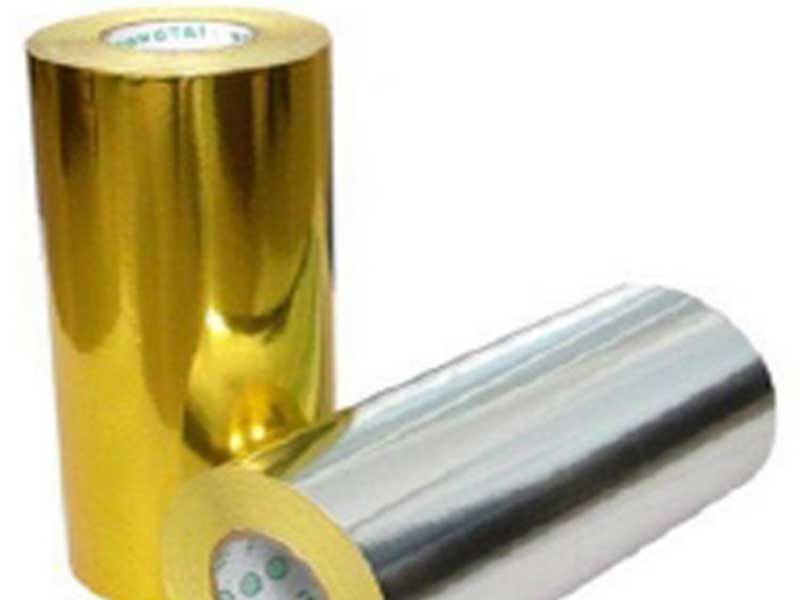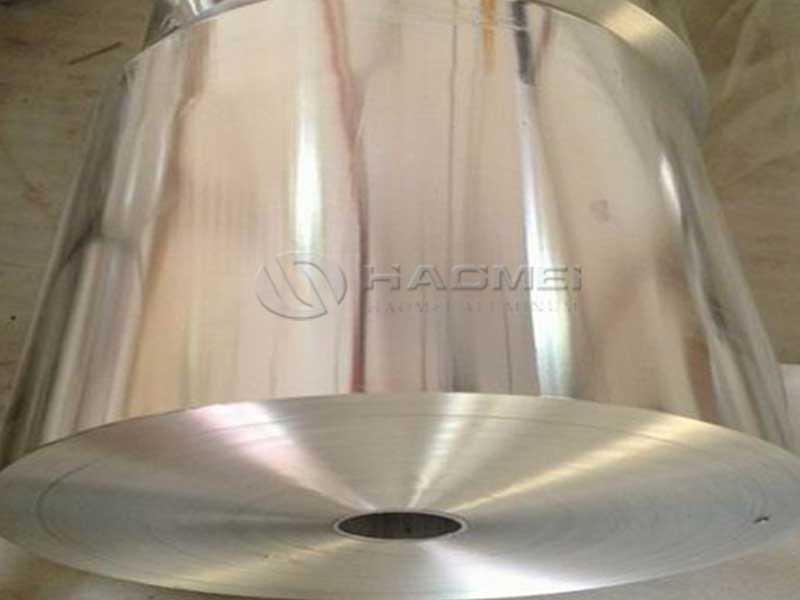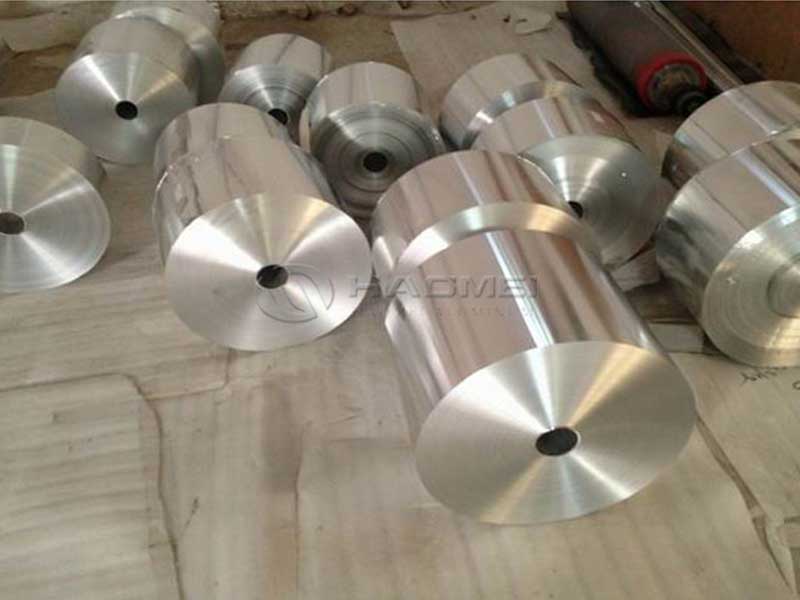
8011 aluminum foil for medical bottle cap
In pharmaceutical packaging, the humble aluminum bottle cap liner does far more than seal a container. For medical bottle caps, 8011 aluminum foil is a precision-engineered material that balances sterilization, barrier performance, mechanical strength, and regulatory compliance in a way few alloys can match. Looking at it through the lens of the “micro-engineering of safety,” rather than just as a commodity foil, reveals why 8011 is the quiet workhorse of medical cap systems.
Instead of treating 8011 foil as just metal in a roll, imagine it as a layered safety protocol in metallic form. Every parameter—from alloy temper to grain structure—controls a specific “defense layer” against contamination, product degradation, and packaging failure.
8011 Aluminum Foil as a Functional Barrier System
For medical bottle caps, 8011 aluminum foil is typically used as the core substrate for:
- Tear-off caps
- Press-on / twist-off medical closures
- Induction sealing liners for oral solutions, syrups, diagnostics, and nutraceuticals
Its true specialization lies not just in being “strong and soft,” but in its ability to be deeply drawn, precisely lacquered or laminated, and permanently deformed during capping—without losing its tight barrier and sealing integrity.
From a functional engineering perspective, the foil must simultaneously:
- Protect the drug from oxygen, light, and moisture
- Survive sterilization (steam, gamma, or ethylene oxide, depending on the closure system)
- Maintain adhesive and lidding integrity with coatings and liners
- Deliver controlled opening behavior for healthcare practitioners or end patients
That balance is engineered at the level of alloy chemistry and temper.
Why Alloy 8011? A Distinctive Alloy Strategy
Alloy 8011 is an aluminum-iron-silicon alloy in the 8xxx series, optimized for packaging and closure performance rather than structural applications. Its most important design philosophy for medical caps lies in three micro-level advantages:
- Tailored iron and silicon content enhances strength and formability without sacrificing foilability.
- Tight control of trace elements (like Cu, Mn, Mg, Zn, Ti) reduces risk of corrosion and unwanted reactions with pharmaceutical media.
- Excellent compatibility with lacquer systems, printing inks, heat-seal layers, and liners, especially when standardized under pharmaceutical regulations.
From a medical packaging point of view, 8011 is the alloy that “knows how to behave” under crimping, rolling, flanging, and sealing operations without spring-back that would compromise cap closure.
Typical Chemical Composition of 8011 Aluminum Foil for Medical Caps
The following table reflects typical industry ranges, aligned with standards such as GB/T 3190 and comparable to EN/AA norms. Specific values are controlled more tightly for pharmaceutical-grade production.
Element Typical Content (wt%)---------------------------------Al BalanceFe 0.60 – 1.00Si 0.50 – 0.90Cu ≤ 0.10Mn ≤ 0.20Mg ≤ 0.05Zn ≤ 0.10Ti ≤ 0.08Others (each) ≤ 0.05Others (total) ≤ 0.15This chemistry is not arbitrary. For bottle caps and medical closure foils:
- Iron and silicon act as strength and recrystallization “tuning knobs,” creating a microstructure that resists tearing during deep drawing of pilfer-proof caps.
- Very low copper, magnesium, and zinc minimize galvanic activity, maintaining stability when the closure is in contact with sensitive solutions (especially aqueous or mildly acidic formulations).
Tempering: H Temper as a Design Tool, Not Just a Label
In cap manufacturing, temper is a functional decision. For 8011 aluminum foil in medical bottle caps, commonly used tempers include:
- 8011-H14: Half-hard, offering good stiffness and moderate formability. Ideal for flat cap discs and some roll-on closures where depth of draw is limited.
- 8011-H16 / H18: Harder tempers with greater yield strength and stability, suitable where dimensional precision and resistance to deformation in transport and sealing operations are crucial.
- 8011-O: Fully soft, selected when deep drawing or complex forming of multi-feature medical caps is needed, often as a base laminated with other materials.
Each temper is chosen based on how the foil must perform during:
- Slitting and punching
- Drawing and redrawing for cap shells
- Edge curling, knurling, or threading
- Induction sealing or mechanical crimping
In medical applications, the temper definition includes more than mechanical hardness; it’s a commitment to a predictable response under sterilization cycles, especially where thermal exposure could anneal or relax the metal if poorly controlled.
Core Technical Parameters for Medical Bottle Cap Foil
From an engineering perspective, a medical cap foil is defined by a tightly coordinated set of parameters. Typical ranges for 8011 pharmaceutical-closure foil are:
- Thickness: usually from 0.17 mm to 0.23 mm for roll-on pilfer-proof (ROPP) or tear-off caps; thinner gauges may be used for induction sealing discs.
- Width: custom slit according to cap diameter lines, often from 200 mm to 1500 mm depending on the press layout.
- Tensile strength: generally around 110–150 MPa for H14, higher for H16/H18; optimized to sustain forming and crimping without tearing.
- Elongation: often in the range of 2–8% depending on temper and gauge, engineered to allow controlled deformation without brittle fracture.
- Surface quality: bright, clean, oil-free surface, Ra optimized for lacquer adhesion and printing quality; pinhole density strictly controlled.
Unlike general packaging foil, medical bottle cap foil is usually produced with stricter flatness tolerance and surface-defect controls, because even minor waviness or surface streaks can shift crimping force and sealing uniformity.
Standards and Regulatory Framework for 8011 Medical Cap Foil
To be considered suitable for pharmaceutical bottle cap applications, 8011 aluminum foil needs to sit inside a mesh of overlapping standard systems and industry norms.
Common reference frameworks include:
- GB/T 3198, GB/T 3880 series (for wrought aluminum and aluminum alloy plates, sheets, and strips in China)
- EN 546 / EN 485 (for foil and rolled products in the European system)
- ISO standards for aluminum rolled products and dimensional tolerances
- GMP-guided internal standards for pharmaceutical-contact packaging
Beyond generic metal standards, pharmaceutical cap foil must comply with:
- Migration and extractables limits when combined with coating or lacquer systems, tested against pharmacopoeial requirements (e.g., USP, EP, CP depending on market).
- Sterilization-resistance tests: physical and chemical stability after autoclaving, gamma irradiation, or alternative sterilization methods used on the final packaged drug.
Many high-end manufacturers adopt a “pharmaceutical foil grade” classification that overlays national metal standards with stricter in-house criteria, including:
- High-precision thickness tolerance
- Tight pinhole count limits per square meter
- Controlled residual stress and coil set for efficient downstream cap making
Chemical Stability and Interaction with Pharmaceutical Systems
A reason 8011 is preferred is its chemical predictability. For medical bottle caps, the foil is rarely in direct contact with the drug; coatings, liners, and gaskets usually form the direct contact layer. Even so, any long-term packaging system must assume possible indirect exposure, especially in multi-layer closure designs.
Important stability factors of 8011 for medical use include:
- Neutral behavior in contact with common closure materials such as PVC-free liners, PE gaskets, and epoxy or polyester lacquers.
- Corrosion resistance under typical storage conditions of medicinal liquids: aqueous, slightly acidic, mildly alcoholic, or buffered solutions.
- Limited risk of ion migration: low levels of copper, zinc, and magnesium and a dense oxide layer on aluminum minimize metallic ion transfer.
When lacquered, the adhesion between 8011 and the coating is fundamental. Poor adhesion is not just a cosmetic issue; it can lead to micro-delamination, harboring contamination or compromising seal integrity. High-purity 8011 with controlled surface topology offers reliable anchoring for:
- Protective lacquers on the inner side (product-facing via liner)
- Printable lacquers and inks on the outer side for dosage codes, batch numbers, and branding
Looking from the production line backwards, the behavior of 8011 foil must align with each manufacturing stage of the cap:
- Slitting: Edge quality and burr control are critical to avoid particulate contamination in clean packaging zones and to ensure clean punch edges.
- Stamping and drawing: Uniform grain size and consistent temper allow repeated deep draws without sporadic splits, especially at the corner radii.
- Curling and threading: Harder tempers retain the formed geometry, providing a precise thread lock or crimp while keeping neck damage on glass or plastic bottles minimal.
- Liner insertion or induction sealing: The dimensional stability of 8011 ensures uniform pressure distribution for induction liners or compressible gaskets, yielding an airtight, tamper-evident seal.
From a unique viewpoint, the alloy is effectively “calibrated” to the mechanics of closure machines. Its temper and microstructure are tuned so that each cap leaving a high-speed line behaves like a repeatable mechanical component with known elastic-plastic transition, rather than an uncontrolled piece of foil.
Surface Engineering: The Hidden Interface with Medicine
The functionality of 8011 foil in medical caps is not purely metallic. It is always part of a surface-engineered system. Typical surface treatments and coatings include:
- Chromate-free chemical conversion layers to enhance lacquer adhesion and corrosion resistance, aligned with current environmental and pharmaceutical trends.
- Epoxy, polyester, or PVC-free lacquer systems tailored to withstand sterilization temperatures and line crimping forces.
- UV-curable inks and over-lacquers for lot coding and brand security without compromising barrier performance.
These surface systems rely on the consistent oxide chemistry and roughness of 8011 foil. Variations in alloy composition or rolling practice can subtly change oxide structure and cause unpredictable adhesion issues, which is why pharma-focused foil producers maintain narrow processing windows and rigorous batch traceability.
Advantages of 8011 Foil in Medical Bottle Cap Applications
Through the “micro-engineering of safety” lens, 8011 foil delivers:
- Mechanical reliability: Stable forming behavior, minimized spring-back, controlled hardness for consistent crimping and sealing.
- Barrier security: Excellent resistance to gas, light, and moisture ingress in coordinated closure systems, vital for oxygen-sensitive or light-sensitive pharmaceuticals.
- Process compatibility: Seamless integration with high-speed cap lines, sterilization methods, printing technologies, and inspection systems.
- Regulatory readiness: Alloy chemistry, temper, and surface quality that can be qualified and documented under GMP, pharmacopeia, and regional packaging regulations.
Positioning 8011 Aluminum Foil Within a Modern Pharmaceutical Cap Strategy
In contemporary pharmaceutical packaging, bottle caps are no longer passive lids; they are active components in product safety, dosing accuracy, tamper evidence, and patient experience. 8011 aluminum foil has become the silent architecture that holds these features together.
By optimizing:
- Alloy composition
- Temper selection
- Thickness and mechanical parameters
- Surface treatments and lacquer systems
- Compliance with medical packaging standards
manufacturers can use 8011 not as a generic foil, but as a finely tuned technical material for medical bottle caps. For pharmaceutical brands and closure producers seeking consistent performance, long-term stability, and global regulatory acceptance, 8011 aluminum foil remains an exceptionally well-balanced and future-proof solution.
https://www.alusheets.com/a/8011-aluminum-foil-for-medical-bottle-cap.html