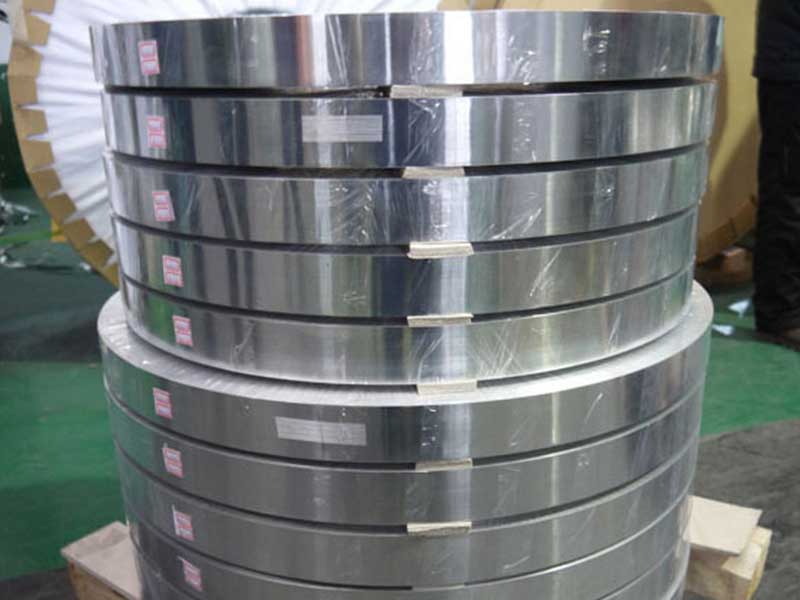
PTP colorful cold form blister aluminum foil for medicine
PTP colorful cold form blister aluminum foil for medicine is often described as "just packaging," but in practice it behaves more like a silent pharmaceutical device. It protects potency, guides patient use, withstands global logistics, and communicates brand trust in a fraction of a second. Looking at it from a functional perspective rather than a purely material one reveals why colorful cold form foil has become a premium choice for high‑barrier blister packs, especially for moisture‑sensitive tablets, hygroscopic capsules, and products destined for hot or humid markets.
What "cold form" really means in pharmacy packaging
Cold form blister foil is a laminate designed to be mechanically drawn into deep cavities without heat. Unlike thermoformed plastic blisters, the cavity is created by deforming metal. That physical difference creates a major performance leap: aluminum is an absolute barrier to water vapor, oxygen, and light. When it is combined with formable polymers and sealed correctly with lidding foil, the blister becomes a near‑hermetic micro‑environment for each dose.
"Colorful" does not simply mean decorative printing. In cold form structures, color layers can serve multiple purposes: visual differentiation for dosage strength, anti‑counterfeit cues, and process visibility on high‑speed forming lines. A well‑designed color system can also improve readability of codes and enhance the perceived quality of the medicine, which matters in regulated retail environments.
Functions that matter to drug stability and patient safety
The first job is barrier performance. For many molecules, moisture ingress and oxygen exposure are the fastest routes to degradation. Cold form blister aluminum foil delivers essentially complete barrier when the aluminum layer is continuous and the forming process avoids microcracks. Light protection is equally critical for photosensitive APIs; opaque aluminum blocks UV and visible light without relying on additives.
The second job is mechanical protection. Cold‑formed cavities have high rigidity and puncture resistance compared with many plastic blisters. This reduces the risk of pinholes during distribution and lowers complaint rates from damaged packs.
The third job is usability and compliance. Color can be designed as a "dose navigation system," helping patients distinguish morning vs evening medication or separating strengths for titration therapies. In hospital settings, color coding supports rapid selection under time pressure and can reduce dispensing errors when integrated with clear printing and standard layout.
The fourth job is trust and authentication. Color effects, matte/gloss contrasts, special inks, and precise registration are hard to replicate with low‑end equipment. When paired with traceable printing, cold form colorful foil supports brand protection and supply chain integrity.
Typical structure and how each layer works
A common cold form blister foil structure is OPA/ALU/PVC (or OPA/ALU/PP), where each layer has a distinct role. Oriented polyamide offers toughness and formability, helping the laminate draw without cracking. The aluminum core provides the barrier. The sealing layer, typically PVC‑based or PP‑based, enables heat sealing to the lidding foil and contributes to chemical compatibility with the drug product environment.
Color is generally applied via surface printing or between layers, depending on the target resistance to abrasion, solvents, and sterilization or cleaning chemicals used in packaging environments. For pharmaceutical use, ink systems must be low‑migration and compliant with relevant food-contact or pharmaceutical packaging expectations.
parameters customers care about on the production floor
Cold form blister foil is purchased by thickness, temper, forming performance, pinhole control, and sealing behavior. In day‑to‑day production, the most valuable parameters are those that prevent downtime: consistent thickness across the roll, stable coefficient of friction for smooth feeding, strong interlayer adhesion, and predictable forming depth without whitening, delamination, or microcrack formation.
Common parameter ranges used in medicine cold form applications include:
- Total thickness: typically 130–250 μm depending on cavity depth and required rigidity
- Aluminum layer thickness: often 40–60 μm for robust barrier and form retention
- OPA thickness: commonly 20–25 μm for toughness and drawability
- Sealing layer thickness (PVC/PP): often 60–120 μm depending on sealing system and machine settings
- Forming depth: frequently 4–12 mm, higher depths achievable with optimized tooling and laminate design
- Heat sealing temperature (to lidding foil): typically 160–220°C depending on sealing layer and lidding lacquer
- Typical roll core: 76 mm, roll OD and width per equipment configuration
- Surface tension (printed side): often controlled to support ink anchorage and code legibility
Because cold forming is mechanically demanding, uniformity matters as much as nominal values. Small fluctuations in foil thickness, temper, or adhesion can show up as corner cracking or pinholes at the draw radius.
Alloy, temper, and why they influence formability
Pharmaceutical cold form foil commonly uses aluminum alloy 8011 or 8021 due to their balance of barrier performance, workability, and cleanliness. The aluminum layer is usually supplied in soft temper for forming.
Typical alloy and temper conditions include:
- Alloy: AA8011, AA8021
- Temper: O (annealed/soft) for maximum ductility during deep drawing
- Application note: soft temper reduces the risk of cracking at tight radii and supports consistent cavity definition
While the aluminum itself is soft, the laminate's overall stiffness comes from the multi-layer structure. That is why cold form packs feel sturdy even when the metal layer is formable.
Implementation standards and compliance expectations
Cold form blister aluminum foil for medicine is manufactured and controlled under quality systems aligned with pharmaceutical packaging requirements. Commonly referenced frameworks include:
- ISO 9001 quality management systems for manufacturing consistency
- ISO 15378, which adapts GMP principles for primary packaging materials for medicinal products
- EN 546 series for aluminum foil properties and testing approaches often used in European supply chains
- RoHS and REACH expectations for restricted substances in many markets
- Supplier migration and ink compliance documentation aligned with applicable food-contact or pharma packaging guidance, depending on destination regulations
Final suitability also depends on compatibility testing with the specific drug product, since excipients and API volatility can interact with sealing layers or printing systems.
Chemical composition (typical) for common alloys used in cold form foil
Below are typical composition limits for the aluminum alloys frequently used as the barrier layer. Actual certificates of analysis may vary by standard and mill practice.
| Element (%) | AA8011 (typical) | AA8021 (typical) |
|---|---|---|
| Si | 0.50–0.90 | ≤ 0.15 |
| Fe | 0.60–1.00 | ≤ 0.70 |
| Cu | ≤ 0.10 | ≤ 0.05 |
| Mn | ≤ 0.20 | ≤ 0.10 |
| Mg | ≤ 0.05 | ≤ 0.05 |
| Zn | ≤ 0.10 | ≤ 0.10 |
| Ti | ≤ 0.08 | ≤ 0.08 |
| Al | Balance | Balance |
AA8021 is often favored when customers want lower impurity content and potentially improved forming consistency, while AA8011 remains widely used for its proven performance and supply availability.
Applications where colorful cold form foil is the "right answer"
Moisture‑sensitive formulations are the obvious fit, including effervescent-adjacent tablets, probiotics, certain antibiotics, and many generics shipped into tropical climates. Cold form is also chosen when long shelf life is required without desiccants, or when logistics are harsh and puncture resistance reduces returns.
Colorful cold form blister foil is particularly valuable for product families where differentiation prevents errors: multi-strength antihypertensives, step-up dosing packs, pediatric vs adult variants, and hospital unit-dose systems. In export markets, color also supports localization without changing the primary pack geometry, helping brands scale while staying recognizable.
A distinctive way to think about it: packaging as a stability instrument
Instead of seeing PTP colorful cold form blister aluminum foil as a cost item, consider it a stability instrument that operates 24/7. It controls the microclimate of every cavity, preserves label clarity and code traceability, and delivers a tactile signal of quality at first touch. When alloy selection, temper, laminate design, and printing chemistry are aligned with machine settings and regulatory expectations, the result is not merely a blister pack-it is a reliable extension of the medicine itself.
https://www.alusheets.com/a/ptp-colorful-cold-form-blister-aluminum-foil-for-medicine.html