Aluminum tread plate blister pack pills
Aluminum Tread Plate Meets Blister Pack Pills: A Materials Engineer's View of "Grip, Barrier, and Trust"
In most factories, aluminum tread plate and blister pack pills live in different worlds. One is built for traction, impact resistance, and visibility on industrial floors. The other must protect milligram-level medicines from oxygen, moisture, light, and handling-often for years-while still opening cleanly in a patient's hand.
From a distinctive materials perspective, they share the same core mission: control the interface between people and surfaces. Tread plate controls the interface between shoes and metal. Pharmaceutical blister lidding controls the interface between a sensitive drug and the outside environment, while also controlling the interface between patient and package during push-through opening.
Why the "Tread Plate Mindset" Improves Blister Pack Foil Decisions
Tread plate is designed around predictable friction, durability, and pattern fidelity. When you apply the same mindset to blister pack pills, you start asking better questions:
- What surface behaviors matter most: barrier performance, seal strength, puncture resistance, or peel consistency?
- What does "grip" mean in blister lidding: lacquer adhesion, ink anchorage, or controlled fracture during push-through?
- Which failures are unacceptable: pinholes, poor seal integrity, delamination, corrosion staining, or inconsistent temper?
In packaging, the "pattern" is not diamond embossing-it is the engineered stack of aluminum foil + primer + heat-seal lacquer + printing that must perform reliably at high speed.
What "Aluminum Blister Pack" Actually Means
A common confusion is that blister packs are always "aluminum." In practice, there are two dominant configurations:
Plastic blister + aluminum lidding foil (most common)
PVC, PVDC, or cold-form base film creates the cavity; aluminum foil lidding provides barrier and push-through performance.
Alu-Alu cold-formed blister (highest barrier)
The cavity is cold-formed from aluminum laminate; the lidding is also aluminum-based. This is the "tread plate" equivalent of maximum protection-thicker, tougher, and more barrier-intensive.
When buyers say "aluminum blister pack pills," they often mean PTP lidding foil (push-through pack). If they also require ultra-high moisture/oxygen barrier, they may mean Alu-Alu systems.
Parameters That Define Blister Foil Performance
Instead of treating foil as a commodity, treat it like an engineered surface. Important parameters typically include:
Foil thickness
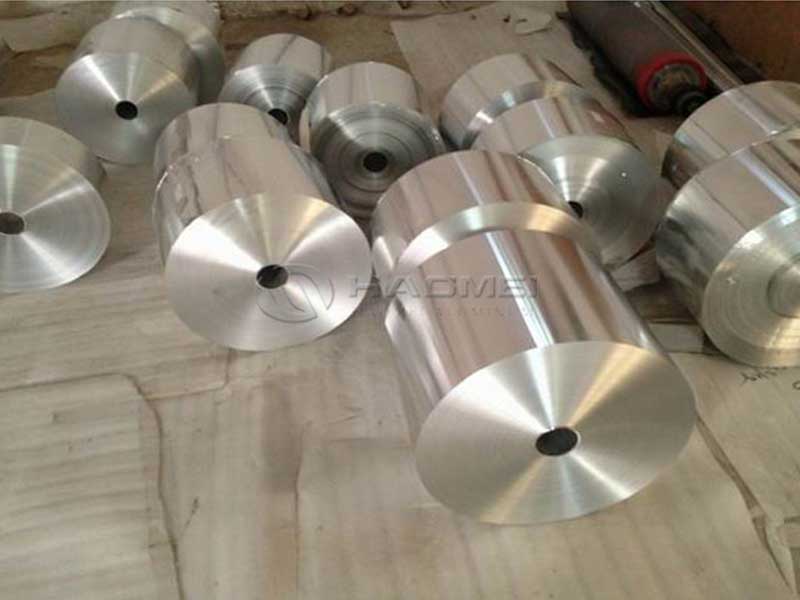
Common pharmaceutical lidding foil thickness is often in the 20–30 μm range, with 25 μm frequently used. Thickness affects pinhole probability, push-through feel, and stiffness.
Temper (mechanical state)
Blister lidding is commonly supplied in hard temper conditions to support push-through rupture behavior and high-speed converting. Excessively soft temper can deform instead of rupturing cleanly.
Coating system
A blister foil is usually not "bare aluminum." It is a layered system that may include:
- Primer for ink anchorage and lacquer bonding
- Heat-seal lacquer matched to the forming film (PVC, PVDC-coated PVC, PP, PET-based, etc.)
- Protective overprint varnish if needed
Surface cleanliness and wetting
Pharma-grade foil needs controlled surface energy and cleanliness to ensure lacquer continuity and reduce micro-channel leaks at the seal.
Pinhole control and barrier integrity
Even a tiny defect can become a moisture ingress route. High-quality rolling, filtration, and inspection practices matter.
Alloy and Tempering: A Practical, "Distinctive" Way to Think About It
Tread plate buyers talk about 3003-H22 or 5052-H32 for formability and corrosion resistance. In blister foil, the conversation shifts to alloys that roll into thin gauges with excellent surface and low defect rates.
For pharmaceutical aluminum foil, widely used alloys include Al 8011 and Al 8021 (with 8079 also seen in some packaging contexts). These alloys are selected for:
- Excellent rollability to thin gauges
- Good barrier behavior
- Compatibility with coating and printing systems
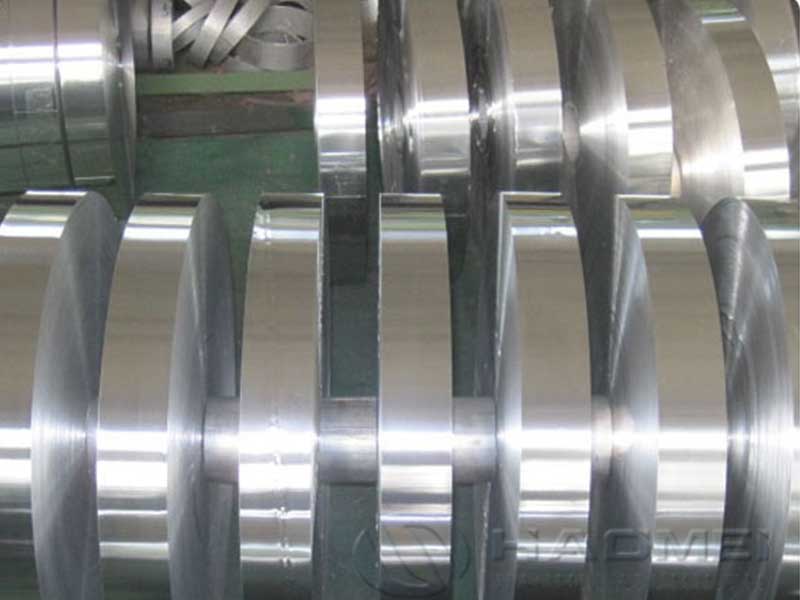
- Stable performance in high-speed slitting and blistering
Temper selection is the hidden lever. A "tread plate mindset" translates temper into user experience: hard temper gives crisp rupture; controlled ductility prevents random tearing; stable hardness helps consistent forming and sealing lines.
Common temper conditions seen in packaging supply include H18 and other hard tempers, as well as conditions tuned to the converting process. Final performance is not just alloy + temper, but also rolling schedule, annealing control, and coating cure.
Implementation Standards and Compliance: What Packaging Engineers Look For
Pharmaceutical packaging is regulated by performance and safety expectations, so aluminum blister foil is typically supplied under a quality system aligned with GMP-related requirements. While the exact standard set varies by market and product, procurement specs often reference:
- Pharmacopoeia and food-contact frameworks applicable to packaging materials in the target region
- RoHS/REACH-style chemical restrictions where relevant for inks/coatings in the supply chain
- Internal pharmaceutical company packaging specifications, including pinhole limits, coating grammage, seal strength windows, and migration testing expectations
- ASTM / ISO test methods for tensile properties, coating adhesion, seal strength, WVTR/OTR evaluation of the complete structure, and surface inspection
In other words, blister foil is purchased like a critical functional component, not like generic sheet.
Natural Connection to Tread Plate: Surface Engineering and Reliability Under Stress
Tread plate survives foot traffic, abrasion, and occasional chemical splashes. Blister foil survives a different kind of abuse:
- Thermal cycles during sealing
- Pressure and dwell variations on blister lines
- Friction against tooling and guides
- Long-term storage in humid climates
- Patient handling, bending, and pocket abrasion
Thinking like a tread plate engineer encourages designing for "real-world stress," not just lab pass/fail. It also highlights why consistent temper and coating integrity matter as much as nominal thickness.
Typical Technical Specification Snapshot for Aluminum Blister Lidding Foil
Below is a representative technical profile often used when specifying pharma blister lidding foil. Values vary by supplier design, line speed, and the mating forming film, so these are common reference ranges rather than a single universal rule.
| Item | Typical Range / Notes |
|---|---|
| Alloy | 8011, 8021 (others possible by agreement) |
| Temper | Hard temper commonly used for PTP (e.g., H18 or equivalent) |
| Thickness | 20–30 μm common; 25 μm widely used |
| Coating | Heat-seal lacquer matched to PVC/PVDC/PP/PET structures; primer for print |
| Printing | Rotogravure or flexo; pharma-grade low-odor inks commonly specified |
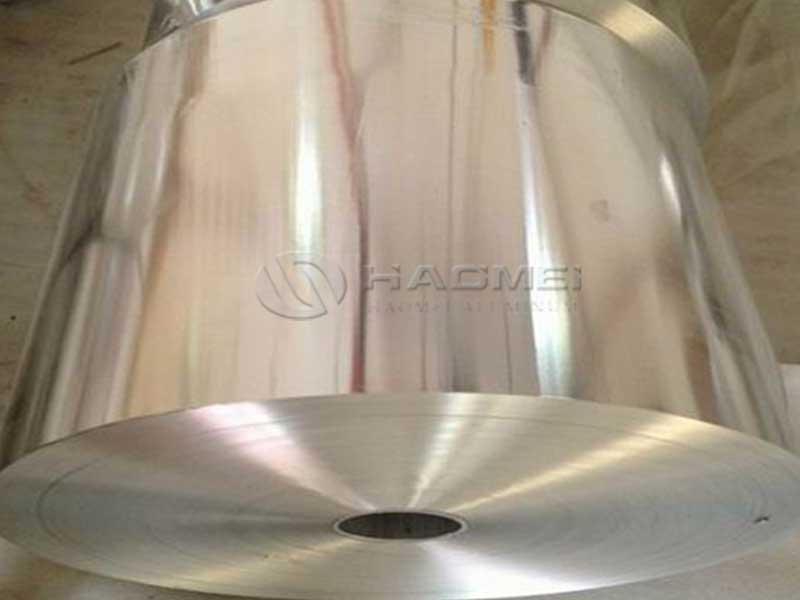
| Surface finish | Bright/clean, controlled roughness for coating uniformity |
| performance targets | Seal integrity window, push-through behavior, pinhole control, barrier reliability |
If the application is Alu-Alu cold-form blister, the aluminum structures are thicker and typically laminated, with different forming and sealing design constraints.
Chemical Properties Table: Typical Composition for Common Blister Foil Alloys
Actual composition must follow the supplier's certificate of analysis and applicable standards for the specific alloy designation. The table below summarizes widely cited, typical chemistry limits for packaging-focused aluminum alloys used in foil rolling. Ranges can differ slightly by standard and region, so final limits should be confirmed to the governing specification used in your purchase contract.
Typical Chemical Composition (wt.%)
| Alloy | Si | Fe | Cu | Mn | Mg | Zn | Ti | Al |
|---|---|---|---|---|---|---|---|---|
| 8011 | 0.50–0.90 | 0.60–1.00 | ≤0.10 | ≤0.20 | ≤0.05 | ≤0.10 | ≤0.08 | Balance |
| 8021 | ≤0.15 | 1.20–1.70 | ≤0.05 | ≤0.20 | ≤0.05 | ≤0.10 | ≤0.08 | Balance |
Why this matters in blister packs: Fe and Si help define the alloy's microstructure during rolling and annealing, influencing foil strength, pinhole tendency, and surface behavior. Controlled impurity limits support consistent converting and coating adhesion.
Choosing the Right Blister Foil Like You'd Choose the Right Tread Plate
A tread plate selection that ignores environment and load becomes slippery, noisy, or short-lived. A blister foil selection that ignores the full system becomes leaky, hard to open, or unstable on the packaging line.
A practical, performance-first way to specify aluminum blister foil includes:
- Matching lacquer chemistry to the forming film and sealing profile
- Selecting alloy and temper based on the desired push-through feel and line speed stability
- Setting measurable limits for pinholes, coating continuity, and seal strength window
- Requiring batch traceability, COA, and consistent QC inspection aligned with pharma expectations
Final Takeaway: The "Surface Contract" Between Medicine and World
Aluminum tread plate is honest engineering: it announces, "You will walk here; you will not slip." Aluminum blister foil is a quieter promise: "This tablet will remain stable, protected, and verifiably packaged until the moment you need it."
That promise is delivered by alloy choice, temper control, coating design, and standards-driven manufacturing-turning plain aluminum foil into a high-trust pharmaceutical barrier material.
https://www.alusheets.com/a/aluminum-tread-plate-blister-pack-pills.html