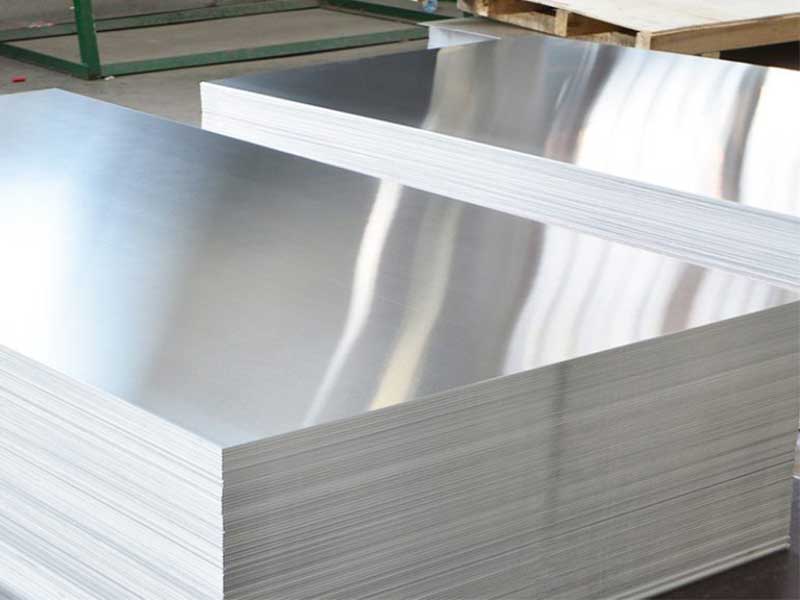
Quarter inch aluminum aluminium plate
In today's rapidly evolving industrial landscape, quarter-inch aluminum plates have risen to prominence for their exceptional versatility, durability, and lightweight characteristics.
What Sets Quarter-Inch Aluminum Plates Apart?
Quarter-inch aluminum plates, with their thickness equivalent to 0.25 inches, have qualities that make them crucial across various sectors such as aerospace, automotive, construction, and fabrication. The capability of aluminum to disproportionally exhibit strength yet remain lightweight gives engineers and designers the freedom to innovate without compromising on performance.
Parameters and Specifications:
To understand the advantages of quarter-inch aluminum plates, it’s essential to highlight parameters:
- Thickness: 0.25 inches (6.35 mm)
- Density: Approximately 0.0975 lb/in³
- Typical Widths and Lengths: Common widths include 48 inches and 60 inches, while lengths often range between 96 inches to 240 inches.
- Thermal Conductivity: Ranges from 110 to 120 W/m·K, documented under standard ASTM specifications
- Electrical Conductivity: 67% IACS (International Annealed Copper Standard)
Alloy Designations and Compatibility Standards
Within the realm of quarter-inch aluminum plates, various alloys may be identified to suit specific engineering requirements. Here’s a concise table that relates to aluminum alloy types prevalent in these plates:
| Alloy | Characteristics | Common Usage |
|---|---|---|
| 5052 | Average weldability, good corrosion resistance | Marine applications |
| 6061 | High strength, excellent corrosion resistance | Structural support, automotive |
| 7075 | Very high strength-to-weight ratio | Aerospace |
| 2024 | Superior fatigue resistance | Aerospace and military |
Alloy Tempering: What to Look For
tempering status in aluminum alloy can greatly impact performance characteristics. Possible tempering types inclusive in quarter-inch aluminum plates are denoted as follows:
- T6 Temper: Solution heat-treated and artificially aged to provide maximum strength.
- H32 Temper: Strain-hardened and stabilized, ideal for parts that need to withstand several quality testing procedures.
- F Temper: The untreated condition, providing the highest formability rates, suitable for further processing.
Examining the chemical composition is vital for evaluating corrosiveness and favorable use cases of quarter-inch aluminum plates. The following table delineates chemical constituents associated with typical aluminum alloys.
| Alloy | Mg (%) | Si (%) | Cu (%) | Fe (%) | Zn (%) | Other Elements |
|---|---|---|---|---|---|---|
| 5052 | 2.2-2.8 | 0.25 | - | 0.4 | - | Cr, Mn |
| 6061 | 0.8-1.2 | 0.4-0.8 | 0.15-0.4 | 0.7 | 0.25-0.4 | Si, Fe |
| 7075 | 2.1-2.9 | 0.3 | 1.2-2.0 | 0.5 | 5.1-6.1 | กัดพันเบ ซึ่งทำให้เบาแต่แข็ง |
| 2024 | 1.2-1.8 | 0.5 | 3.8-4.9 | 0.5 | 0.25 | Mg, Fe, Mn, Zr |
Implementing ASTM Standards
For effective integration of quarter-inch aluminum plates, familiarity with ASTM standards is vital. Compliance with ASTM B209 (Standard Specification for Aluminum and Aluminum-Alloy Flat Sheet, Coil, and Plate) and ASTM D1623 (Standard Test Method for Tensile Properties of Plastics) ensures these materials uphold legal industrial specifications while also adhering to underpinning quality necessities.
https://www.alusheets.com/a/quarter-inch-aluminum-aluminium-plate.html