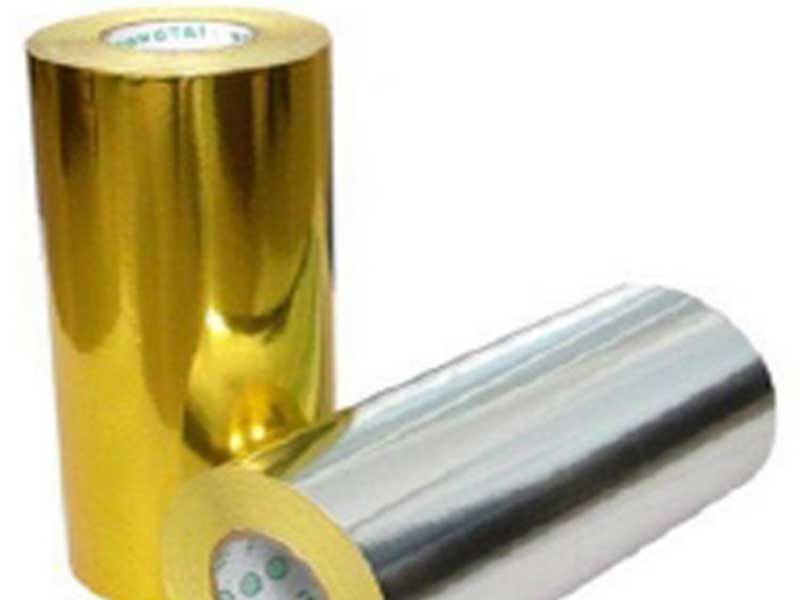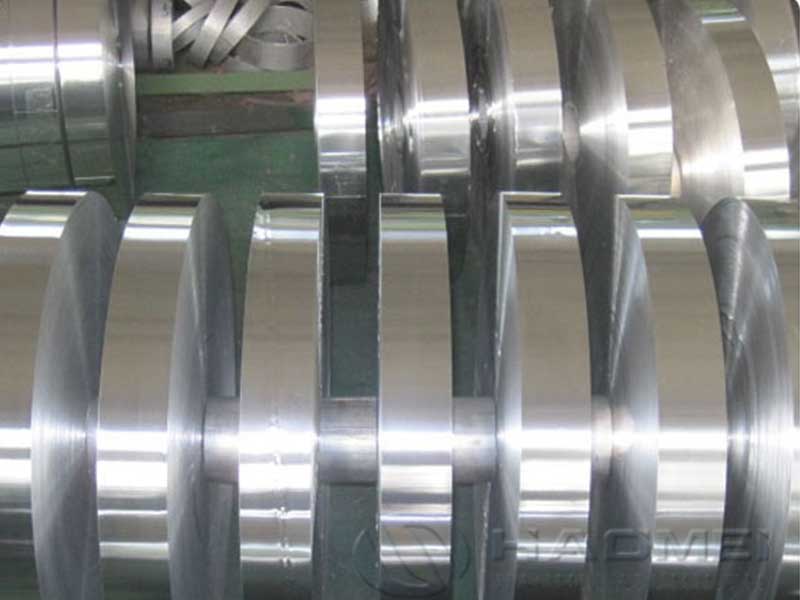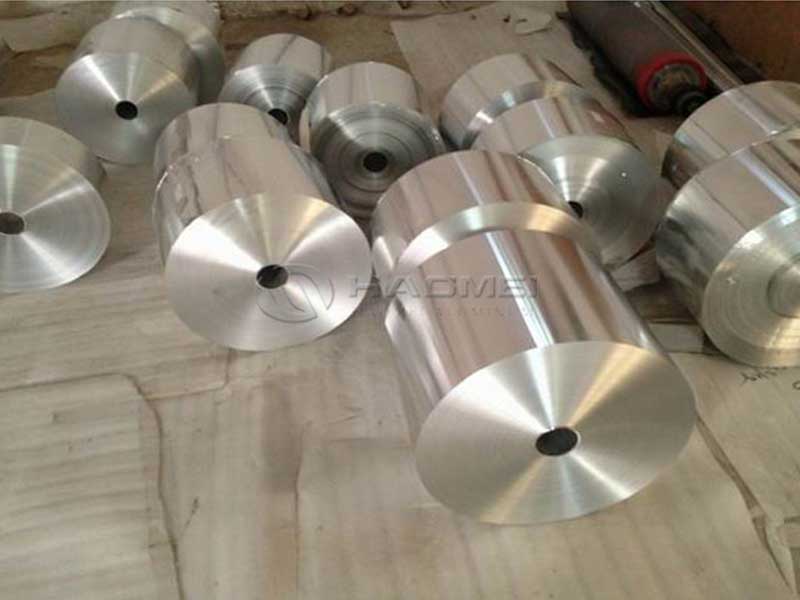
Aluminum capsule pharmaceutical foil
Aluminum capsule pharmaceutical foil sits at the intersection of medicine, materials science, and consumer experience. It is far more than “just a shiny layer” around a capsule; it is a precisely engineered barrier system that protects the drug, stabilizes its active ingredients, and ensures that each dose delivered months or years after production is still safe and effective.
Below is a comprehensive, technically detailed overview of aluminum capsule pharmaceutical foil—from alloy and temper selection to production standards, barrier behavior, and chemical properties—explained in clear and natural language.
1. What Is Aluminum Capsule Pharmaceutical Foil?
In the pharmaceutical industry, “capsule foil” generally refers to aluminum foil used for capsule packaging, especially:
- Blister lidding foil for hard/soft gelatin capsules
- Strip packs and sachets for capsules
- Cold-form aluminum–aluminum (Alu–Alu) blister cavities (in some designs)
This foil is not common household foil; it is a controlled, GMP-compliant material with:
- Defined alloy and temper
- Strict impurity limits
- Specific mechanical properties
- Controlled surface chemistry
- Validated barrier performance (moisture, oxygen, light, aroma, micro-organisms)
Its main purpose: preserve potency, stability, and usability of pharmaceutical capsules throughout the entire shelf life—often in highly variable climate conditions.
2. Why Aluminum for Capsule Packaging?
- Total light barrier – Aluminum reflects UV and visible light, which can degrade light-sensitive APIs (active pharmaceutical ingredients) and capsule shell dyes.
- Near‐zero water vapor transmission (WVTR) – Very thin layers of aluminum achieve essentially negligible moisture permeability compared with polymer-only films.
- Excellent oxygen barrier – Combats oxidation of sensitive drugs and capsule shells (including gelatin and HPMC).
- Microbial and aroma barrier – Properly intact foil prevents ingress of microorganisms and organoleptic contamination from outside smells or volatile chemicals.
- Ductility and formability – Especially in specific tempers, aluminum can be drawn or pressed in blisters/alu-alu cold-form, and later pierced cleanly during dose access.
- Thermal stability – Withstands sealing processes and some heat treatments without structural failure or significant off-gassing.
In pharmaceutical terms, aluminum foil is one of the packaging excipients that never enters the patient’s bloodstream, yet silently determines whether the medicine maintains its design profile.
3. Typical Applications: Where the Foil Actually Goes
3.1 Blister Lidding Foil for Capsules
The most common use: push-through lidding foil on PVC/PVDC, PVDC-coated PET, Aclar, or multi-layer blister base webs that hold capsules.
Features:
- Precisely calibrated push-through force to balance patient usability and sealing integrity.
- Heat-seal lacquer designed to bond strongly to base film but still allow rupture by fingertip pressure.
3.2 Strip and Sachet Foil for Capsules
In strip packs, two foil (or foil/film laminate) webs are sealed around individual capsules:
- Ideal for low-density markets or where greater moisture protection is needed than standard blisters.
- Often a laminate (AL + paper + PE or AL + polymer layers) with well-defined sealability and tear behavior.
3.3 Cold-Form Alu–Alu Blisters
In Alu–Alu, both cavity and lidding are based on aluminum structures, often multi-layered with nylon and PVC:
- Used for highly moisture‐sensitive drugs and some special capsule formulations.
- The aluminum layer here completely isolates each capsule from the external environment.
4. Common Alloys & Tempers for Pharmaceutical Capsule Foil
In pharmaceutical packaging, foil selection is a compromise between barrier protection and convertibility (printing, forming, sealing, puncture).
Most often used alloys: 1xxx, 8xxx series, occasionally 3xxx/5xxx in laminates.
4.1 Typical Alloys
Alloy 8011
- A prevalent choice for pharmaceutical lidding foil.
- Aluminum-iron-silicon alloy; provides good strength, formability, and dead-fold properties.
Alloy 8021
- High barrier aluminum foil with enhanced performance, especially in laminated structures (e.g., for cold-form applications).
- Often chosen for demanding strip packs and Alu–Alu.
Alloy 8079
- Very good tensile properties, flexibility, and barrier.
- Often used in high-quality, thin-gauge packaging foils, including some pharmaceutical applications.
Other alloys may appear in specific regulatory regimes, but 8011/8021/8079 dominate global pharma practice.
4.2 Temper (Hardness Condition)
Pharmaceutical capsule foil usually comes in O, H14, or H18 tempers:
O (Soft/Annealed)
- Excellent formability and flexibility.
- Used where deep drawing or intense forming is required, or delicate punching/tearing behavior is needed.
H14 (Intermediate Hardness)
- Balanced strength and elongation; suitable for controlled push-through rupture.
H18 (Full Hard)
- Maximal strength and stiffness; used for lidding where printing, handling strength, and precise tearing are critical.
The choice depends on:
- Blister base web (PVC, PVDC, Aclar, etc.)
- Capsule size and hardness
- Regulator and user experience requirements (e.g., ease of opening for elderly patients)
5. Typical Technical Parameters
The values below are typical/indicative, and may vary by manufacturer, national pharmacopoeia, and specific use case.
5.1 Common Dimensional and Physical Parameters
| Parameter | Typical Range / Specification |
|---|---|
| Thickness (lidding foil) | 20–30 μm (0.020–0.030 mm) |
| Thickness (strip foil) | 30–50 μm (sometimes up to 60 μm) |
| Width | As per customer spec; commonly 200–1,200 mm |
| Coil ID | 76 mm / 150 mm cores (or customer-specified) |
| Density (pure Al) | ~2.70 g/cm³ |
| Surface Treatment | Plain / primed / lacquered / printed (1–5 colors, etc.) |
| Tolerance on Thickness | ±5–8% or tighter depending on gauge |
| Pinholes (for pharma-grade) | Extremely low; tight stats (e.g., <2 pinholes/m² >0.3 mm) |
5.2 Mechanical Properties (Typical Ranges)
| Property | 8011 H18 (Example) | 8021 O (Example) |
|---|---|---|
| Tensile Strength (MPa) | 130–180 MPa | 80–130 MPa |
| Elongation (A50, %) | 1–5% | 8–15% |
| Yield Strength (MPa) | 120–160 MPa | 50–90 MPa |
| 90° Bending Performance | No cracking x specified radius | No cracking at smaller radii |
Materials must satisfy both the pharmaceutical packer’s equipment needs and the converter’s printing and laminating processes.
6. Implementation Standards & Quality Systems
Pharmaceutical capsule foils must align with both metallurgical and pharma/packaging standards. Major reference frameworks include:
6.1 International & Industry Standards
- EN 546 (Parts 1–4) – Aluminum and aluminum alloys – Foil
- EN 573 / EN 485 – Chemical composition & mechanical properties of wrought aluminum and alloys
- ISO 15223, ISO 15378 – Primary packaging materials for medicinal products (GMP for packaging)
- ISO 9001 – Quality management systems
- ISO 14001 – Environmental management systems (often required by large pharma buyers)
- ISO 11607 – Packaging for terminally sterilized medical devices (relevant where applicable)
6.2 Pharmacopoeial & Regulatory Alignment
While the exact requirements differ by region, typical references are:
- European Pharmacopoeia (Ph. Eur.) – Section on aluminum foil for containers/closings
- United States Pharmacopeia (USP) – Packaging and storage requirements, extractable/leachable guidelines
- Chinese Pharmacopoeia (ChP) – Specifies foil quality for pharma contact
- DMF (Drug Master File) registration for primary packaging in some markets
requirements:
- Non-toxicity & biocompatibility
- Controlled extractables from coatings/lacquers/inks
- Cleanliness and micro limits (bioburden control)
- Controlled lubricants and rolling oils residues
Conforming suppliers typically operate under GMP-like conditions for primary packaging materials.
7. Functional Layers: Beyond Bare Metal
Most aluminum capsule pharmaceutical foil is not used “naked.” It is often packed as a multi-layer laminate to optimize performance:
7.1 Typical Laminated Structures
Examples (from outside to product side):
Printed Aluminum + Heat-Seal Lacquer (for blister lidding)
- Structure:
- Printing ink
- Protective overcoat
- Aluminum foil (20–25 μm)
- Heat-seal coating (e.g., PVC- or PVDC-compatible)
- Structure:
Alu / Polyethylene (PE) / Surlyn or Other Sealant (for strip packs)
- Structure:
- External lacquer/print
- Aluminum foil (30–40 μm)
- Poly sealing layer (e.g., 20–40 μm PE)
- Structure:
Nylon / Aluminum / PVC (Cold Form)
- Structure:
- Oriented polyamide (OPA/nylon) for object memory and puncture resistance
- Aluminum foil (~45–60 μm)
- PVC for sealing compatibility
- Structure:
Each layer plays a role:
- Nylon or PET: adds tear resistance and stability against pinhole growth.
- Aluminum: principal barrier.
- PVC/PE sealants: compatibility with blister-forming films and uniform seal integrity.
- Lacquers & Primers: adhesion, printability, and chemical resistance.
8. Barrier & Chemical Behavior: The “Silent Chemistry”
Aluminum’s behavior in pharma application is driven not just by its metallic nature, but by its surface oxide chemistry and controlled reactivity.
8.1 Oxide Layer
Aluminum spontaneously forms a very thin aluminum oxide (Al₂O₃) layer in air.
This oxide:
- Is chemically stable and protective.
- Prevents bulk aluminum from reacting with many contaminants.
- Creates a good base for adhesives and lacquers when properly prepared.
8.2 Barrier Properties
Indicative performance (for pure foil layer, not including contributions of laminates):
| Property | Typical Performance for Solid, Intact Foil |
|---|---|
| Water Vapor Transmission (WVTR) | ~0 g/m²/day (near-zero; any value typically due to defects) |
| Oxygen Transmission Rate (OTR) | ~0 cm³/m²/day (seal and pinhole-limited) |
| Light Transmission | 0% (opaqueness, total blocking) |
Practical barrier performance is mostly determined by:
- Pinholes (from rolling or handling)
- Sealing integrity and wrinkle-free sealing lines
- Pinhole progression under cyclic stress/humidity and handling
8.3 Typical Chemical Composition (Example)
A common pharma-grade alloy 8011 (illustrative values):
| Element | Typical Range (%) |
|---|---|
| Al | Balance (~97–99%) |
| Fe | 0.60–1.00 |
| Si | 0.50–1.00 |
| Mn | ≤0.10 |
| Zn | ≤0.10 |
| Cu | ≤0.10 |
| Ti | ≤0.08 |
| Others | ≤0.05 each / ≤0.15 total |
For alloy 8021, silicon and iron are also minor constituents, tightened specifically to optimize deep-draw performance and barrier behavior.
Note: Exact values belong to each mill’s specification and should match EN or GB/ASTM standards plus customer requirements.
Considering a capsule’s journey from plant to patient, each property of aluminum foil addresses a real risk:
During production
- Foil’s tensile strength and geometry protect against blistering defects, misregistration in high-speed lines, and scalping of lacquer or ink.
- Low residual oil & cleanliness avoid contamination of capsules and ensure consistent sealing.
During transport & storage
- Minimal WVTR and OTR defend the capsule fill against hydrolysis and oxidation—even in humid or hot climates without perfectly controlled logistics.
- Light barrier prevents photo‐degradation of dyes, coatings, and light-sensitive APIs.
At the point of use
- Controlled push-through force ensures children aren’t the only ones kept out—adults, especially elderly or patients with motor issues, can still open it.
- Clear, stable, non-smearing print helps users easily read dose info, lot numbers, and expiry dates.
This shows how the material science of aluminum foil transforms into patient-level outcomes: stable dosage, predictable release profiles, and safe usage behavior.
10. Quality, Testing & Validation
Manufacturers and buyers of aluminum capsule pharmaceutical foil maintain an extensive test battery:
10.1 Incoming Material / Mill Quality Tests
- Thickness, width, and weight checks
- Pinholes and surface defects inspection (visual + automatic equipment)
- Mechanical tests: tensile strength, elongation, proof stress
- Residual oil measurement
- Wettability / surface tension (e.g., dyne test for printing/laminating suitability)
10.2 Coating and Lamination Tests
- Heat-seal strength with standard blister base materials
- Delamination strength between foil and polymer layers
- Ink adhesion and rub resistance
- Curl and flatness testing
10.3 Barrier and Stability Tests
- WVTR / OTR tests on laminates per known methods (ASTM/ISO)
- Accelerated aging under elevated temperature/humidity
- Migration, extractables, and leachables from lacquer/ink systems into pharma simulants or real formulation (per regulatory guidance)
Only after meeting these conditions and passing plant‐specific validation can a foil grade be approved as a qualified primary packaging material for a particular drug product.
11. Environmental & Recycling Considerations
Although aluminum pharma foil is frequently laminated and printed—making conventional recycling more difficult than for plain industrial aluminum—the base metal itself is infinitely recyclable:
- Recycling aluminum uses up to ~95% less energy than primary smelting.
- Pharmaceutical waste programs can collect and process aluminum components, particularly in countries with advanced waste streams.
Additionally, the very high barrier performance of aluminum foil reduces overall material thickness and can enable lighter-weight packs compared to thick polymer-only structures.
12. Takeaways for Buyers and Specifiers
When specifying aluminum capsule pharmaceutical foil, attention should be given to:
Alloy and Temper
- Common choices: 8011, 8021, 8079 in O, H14, or H18 depending on use (lidding, strip, or cold-form).
Thickness and Tolerance
- Standard ranges 20–30 μm (lidding) and 30–50+ μm (strip/cold-form).
Coating System
- Heat-seal lacquers matched to PVC, PVDC, PP, or other base webs.
- Low migration, regulatory-approved inks and coatings.
Standards & Compliance
- Conformance to EN/ISO/ASTM, GMP for packaging materials, and relevant pharmacopoeias (USP/EP/ChP).
- Availability of DMFs or regulatory dossiers is increasingly important.
Barrier and Pinhole Performance
- Supplier should provide pinhole statistics, WVTR/OTR data for laminates, and aging test reports.
Print & User Requirements
- Clear brand graphics, tamper evidence, child-resistant recovery where needed, and ease-of-open design.
The unique “value” of aluminum capsule pharmaceutical foil is that it compresses an entire stability strategy into microns of engineered metal—transforming a fragile capsule into a robust, globally distributable, long-lasting medicinal product.
https://www.alusheets.com/a/aluminum-capsule-pharmaceutical-foil.html