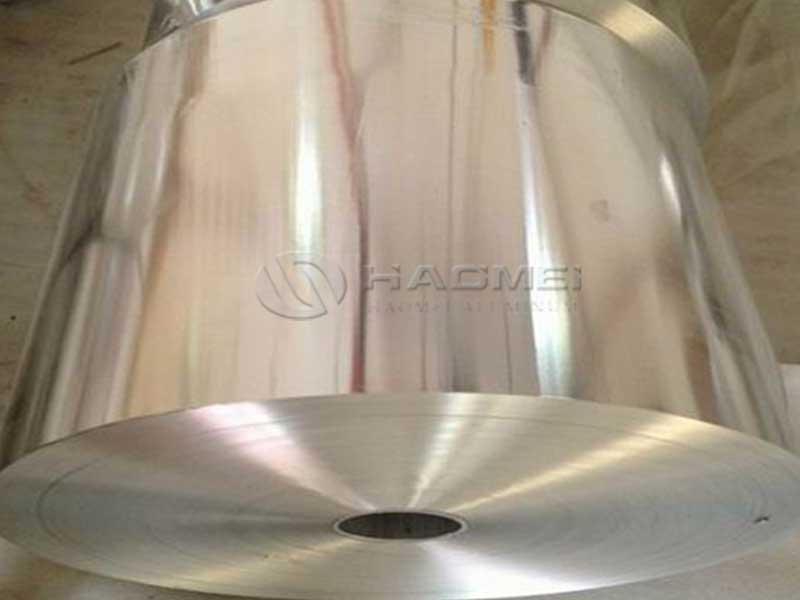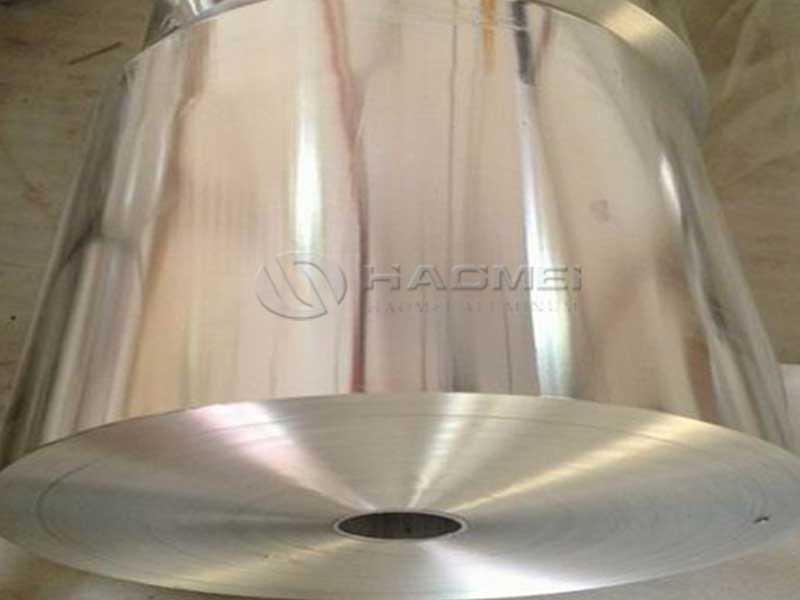
Aluminum foil DC or Cc A1050, 1060, 3003
Aluminum foil is widely recognized for its exceptional versatility and is used across industries ranging from packaging and construction to electronics and automotive. Among the popular extrusion methods, DC (Direct Chill) and CC (Continuous Casting) produce high-quality aluminum foil with slightly differing microstructures and mechanical attributes.
Aluminum Foil Production: DC vs CC
The terms DC (Direct Chill) and CC (Continuous Casting) refer to processes used in casting aluminum billets prior to rolling:
DC Casting involves continuously feeding molten aluminum into a cooling mold where the billet solidifies progressively. This yields less segregated microstructures and better mechanical consistency, often preferred for rolled products with stringent quality requirements.
CC Casting introduces molten aluminum onto a stepped cooling drum for faster solidification, offering better productivity but sometimes with minor microstructural differences that might affect downstream metallurgy.
Both processes effectively produce raw billets that are rolled into thin aluminum foil sheets, suitable for conversion into household foil, insulation tape, heat exchangers, and more.
Common Aluminum Foil Alloys: A1050, 1060, and 3003
These alloy grades have become standards in aluminum foil manufacturing due to their distinct properties and adaptability:
| Alloy | Description | Main Alloying Elements | Typical Purity (%) |
|---|---|---|---|
| A1050 | Commercially pure aluminum (CP Al) used in foil | Aluminum (≥99.5%) | ≥99.5 |
| 1060 | Also CP, slight purer, widely used alloy | Aluminum (≥99.6%) | ≥99.6 |
| 3003 | Popular then aluminum-manganese alloy, slightly harder | Aluminum + Mn (approx 1.0%) | ≥98.0 (Al basis) |
Chemical Composition
Below is the typical chemical composition range of these alloys based on relevant standards like ASTM B479 and JIS H4000:
| Element | A1050 (%) | 1060 (%) | 3003 (%) |
|---|---|---|---|
| Aluminum (Al) | 99.5 min | 99.6 min | 97.0 min |
| Copper (Cu) | ≤0.05 | ≤0.25 | 0.05 – 0.20 |
| Manganese (Mn) | ≤0.03 | ≤0.03 | 1.0 – 1.5 |
| Iron (Fe) | ≤0.40 | ≤0.35 | ≤0.70 |
| Silicon (Si) | ≤0.25 | ≤0.20 | ≤0.60 |
| Zinc (Zn) | ≤0.10 | ≤0.10 | ≤0.10 |
| Others (each) | ≤0.03 | ≤0.03 | ≤0.05 |
Tempering Conditions (Alloy Mechanical States)
Aluminum foil's mechanical and physical behavior is affected by cold rolling and annealing treatments. The typical temper designations are as follows:
| Temper | Description | Application Characteristics |
|---|---|---|
| O | Annealed (softest state) | Maximum ductility; ease of corrosion forming & bending |
| H14 | Half hard cold-rolled | Medium strength and some flexibility |
| H18 | Full hard or hard-tempered | Highest strength; minimal elongation |
| H19 | Hard tempered without strain aging | Recommended in tougher applications needing distortion resistance |
Grades A1050 and 1060 often use O temper for extreme malleability, whereas 3003 typically carries H14 or H18 dependent on application, balancing formability with strength.
Technical Specification Parameters for Aluminum Foil
| Parameter | A1050/DC, CC & Equivalent | 1060/DC, CC & Equivalent | 3003/DC / CC |
|---|---|---|---|
| Gauge Thickness (μm) | 6 – 200 | 6 – 300 | 12 – 200 |
| Density (g/cm³) | 2.71 | 2.71 | 2.73 |
| Thermal Conductivity (W/m·K) | 220–230 | 220–230 | 220 |
| Electrical Conductivity (% IACS) | ~61 | ~61 | ~17 – 20 |
| Tensile Strength (MPa) | 40 – 70 (annealed/H temper) | 40 – 70 | 90 – 120 |
| Elongation (%) | ≥25 (annealed) | ≥25 (annealed) | 10 – 20 depending on temper |
| Surface Finish | Bright reflective / matt | Bright reflective / matt | Usually matt to bright |
Functional Highlights and Typical Applications
A1050 & 1060 Aluminum Foils (Commercially Pure)
- Excellent corrosion resistance
- Outstanding electrical and thermal conductivity
- High reflectivity useful for insulation and decorative foils
- Superb ductility ideal for food packaging enabling easy folding, sealing
Common application areas include household kitchen foils, labeling, pharmaceuticals packaging, and electronics shielding where purity guarantees safety and performance. Thermal performance also plays well for dishwasher seals, heat exchangers, and capacitor foils.
3003 Aluminum Foil
- Manganese adds increased strength and moderate corrosion resistance
- Slightly reduced corrosion resistance compared to CP aluminum but enhanced formability
- Balances toughness and malleability better suited for HVAC-related applications
It is extensively used in heatsinks, roofing panels, siding, and cooking utensils, addressing scenarios requiring better structural integrity while still maintaining good corrosion stability.
Compliance and Industry Standards
Aluminum foil producers globally align their materials to standards for material performance:
| Standard | Description |
|---|---|
| ASTM B479 & B209 | Standard for rolled aluminum foil and sheets in the USA |
| JIS H4000 | Japanese standard covering rolled aluminum products |
| EN 573-3 | Chemical composition requirements for wrought aluminum |
| ISO 209 | International tolerances and technical requisites of tested aluminum |
https://www.alusheets.com/a/aluminum-foil-dc-or-cc-a1050-1060-3003.html