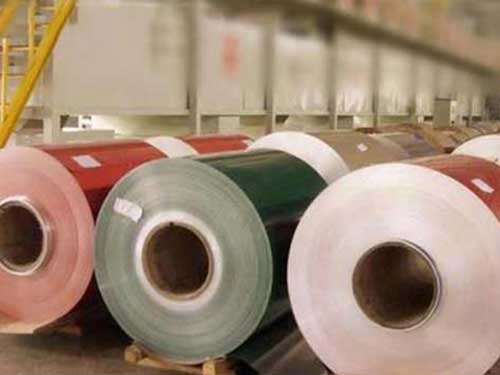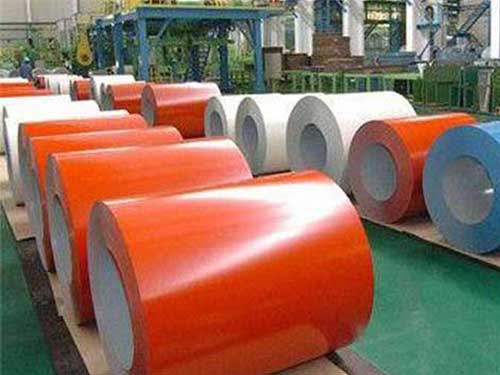
Color Cated Aluminum Roll
Color Coated Aluminum Roll: Where Engineering Meets Everyday Atmosphere
A color coated aluminum roll is easy to describe but harder to fully appreciate. On paper, it's simply an aluminum coil that has been painted. In practice, it's a carefully engineered "skin" that protects buildings, appliances, vehicles, and signage while shaping how people feel about a space. If raw aluminum is the skeleton-strong, light, conductive-then color coating is the weatherproof clothing that decides whether the product looks modern, warm, understated, or boldly branded.
What "Color Coated" Really Means
A typical color coated aluminum roll is produced through continuous coil coating. The aluminum strip is cleaned and chemically pretreated, then coated with primer and topcoat (and sometimes a back coat), cured in ovens, cooled, and rewound. This creates a consistent film thickness and appearance that is difficult to match with post-fabrication spraying.
The idea is that the coating is not decoration alone. It is a barrier system. It must handle ultraviolet radiation, thermal cycling, humidity, pollutants, abrasion, and bending during fabrication. A good coating protects the aluminum substrate and stabilizes color and gloss, while the aluminum provides the formability and corrosion resistance that make coil products so versatile.
Typical Applications Customers Recognize Immediately
Color coated aluminum roll shows up where visual uniformity and long-term durability matter: architectural cladding, roofing, gutter systems, curtain wall components, ceiling panels, roller shutters, composite panels, appliance panels, trailer bodies, signage, and interior decorative trim. In many of these uses, the coil is slit, leveled, stamped, roll-formed, or laminated-so the coating must survive real mechanical work, not just outdoor exposure.
Common Parameters Buyers Should Check
Customers often compare price per ton, but performance lives in the details. When specifying a color coated aluminum roll, these parameters usually matter most:
- Aluminum thickness: commonly about 0.20–3.00 mm depending on application
- Coil width: often 30–1600 mm (custom widths available)
- Coating thickness (dry film): typically about 15–25 μm for topcoat on standard building uses; higher systems are available for harsh environments
- Coating structure: 2-coat 2-bake is common (primer + topcoat); some systems add a back coat for extra balance and protection
- Gloss level: matte, satin, or high gloss; affects perceived color depth and scratch visibility
- Color: RAL/Pantone matching, metallic and pearlescent effects possible
- Surface finish: smooth, embossed, brushed-look, wood grain, stone grain, and other patterns
- Adhesion and flexibility: tested by bend (T-bend), impact, and crosshatch methods to confirm coating integrity after forming
Coating Types and How to Think About Them
Selecting coating chemistry is like choosing a "personality" for the surface.
PE (Polyester) is widely used for general construction and interior/exterior decorative applications. It offers good color range and balanced cost-performance.
PVDF (Polyvinylidene fluoride) is chosen when long-term color retention and weather resistance are primary, especially in strong sun or demanding architectural projects. It typically maintains gloss and color better over long exposure.
SMP (Silicone Modified Polyester) sits between PE and PVDF, improving weathering and hardness for projects that need more durability without moving fully to PVDF.
PU (Polyurethane) can offer strong abrasion resistance and flexibility, useful for applications with higher wear or forming demands.
Alloy and Temper: The "Hidden Architecture" Beneath the Paint
Color coating can only perform as well as the substrate beneath it. Alloy selection influences strength, corrosion resistance, formability, and final flatness.
Common alloys used for color coated aluminum roll include:
- AA1050, AA1060, AA1100: high purity, excellent formability and corrosion resistance; common for general coating and decorative applications
- AA3003, AA3005: Al-Mn series with improved strength and good formability; popular for roofing, cladding, and general building products
- AA3105: widely used in building envelopes and shutter systems; good balance of strength and processing
- AA5052: Al-Mg alloy with stronger corrosion resistance, especially in marine or high-humidity environments; used where durability is prioritized
Typical tempers include:
- H14, H16, H18: strain-hardened tempers; higher number generally indicates higher strength and lower formability
- H24: strain-hardened and partially annealed; often chosen when forming is needed
- O (annealed): maximum formability; suitable for deep drawing or complex forming, depending on the alloy
A practical way to view temper is "how much shaping you need after coating." If the product will be tightly roll-formed or stamped, a more formable temper and a more flexible coating system become important.
Implementation Standards and Quality References
Color coated aluminum roll is commonly manufactured and tested according to a mix of substrate and coating standards. Depending on target markets and project requirements, relevant references may include:
- ASTM B209 for aluminum and aluminum-alloy sheet and plate (substrate requirements commonly referenced)
- EN 485 series for aluminum sheet/strip properties in European markets
- EN 1396 for pre-painted aluminum coil for building applications (often referenced for coil coating requirements)
- AAMA 2603, AAMA 2604, AAMA 2605 for architectural coating performance levels (frequently used for painted metal in building projects, especially in North America)
- ISO 2409 (cross-cut adhesion), ISO 1519 (bend test), ISO 2813 (gloss), ISO 6272 (impact), ISO 9227 (salt spray) as common testing methods
In procurement language, many buyers specify performance by required adhesion, T-bend, pencil hardness, color tolerance (ΔE), and corrosion test hours, rather than listing only a coating brand.
Chemical Composition (Typical) Table for Common Alloys
Below is a concise reference table of typical chemical composition limits. Actual certificates should be confirmed per mill and standard.
| Alloy | Si (max) | Fe (max) | Cu (max) | Mn | Mg | Zn (max) | Ti (max) | Al |
|---|---|---|---|---|---|---|---|---|
| AA1050 | 0.25 | 0.40 | 0.05 | 0.05 | 0.05 | 0.05 | 0.03 | Remainder |
| AA1060 | 0.25 | 0.35 | 0.05 | 0.03 | 0.03 | 0.05 | 0.03 | Remainder |
| AA1100 | 0.95 (Si+Fe) | - | 0.20 | 0.05 | - | 0.10 | - | Remainder |
| AA3003 | 0.60 | 0.70 | 0.05–0.20 | 1.0–1.5 | - | 0.10 | - | Remainder |
| AA3005 | 0.60 | 0.70 | 0.30 | 1.0–1.5 | 0.20–0.60 | 0.25 | 0.10 | Remainder |
| AA3105 | 0.60 | 0.70 | 0.30 | 0.30–0.80 | 0.20–0.80 | 0.40 | 0.10 | Remainder |
| AA5052 | 0.25 | 0.40 | 0.10 | 0.10 | 2.2–2.8 | 0.10 | - | Remainder |
Note: Some standards express combined limits (such as Si+Fe) rather than individual maxima for certain alloys.
What Makes a "Good" Color Coated Roll in Real Use
A reliable coil is one that behaves predictably in the customer's line: stable color from batch to batch, consistent film thickness, clean edges after slitting, and a coating that doesn't micro-crack at bends. For outdoor uses, the difference between an average and excellent product often shows up slowly: chalking, fading, edge creep, and loss of gloss after seasons of UV and rain.
The most effective purchasing mindset is to treat color coated aluminum roll as a system: alloy + temper + pretreatment + coating chemistry + curing control. When those parts match the environment and fabrication method, the coil stops being a commodity and becomes a long-term surface solution-lightweight, corrosion-resistant, and visually precise.