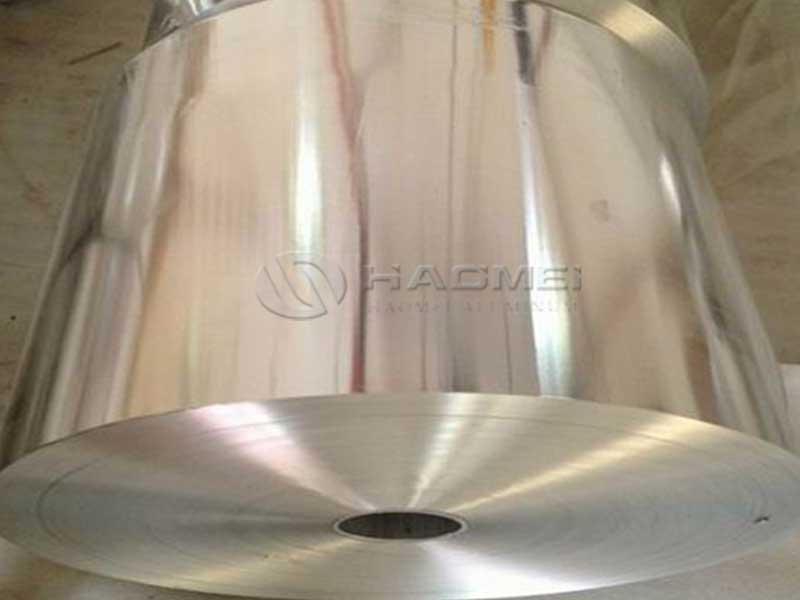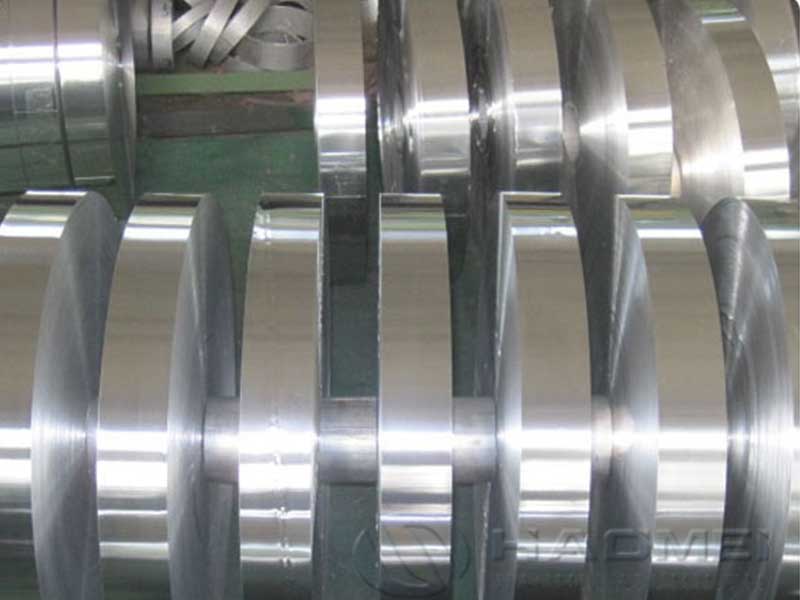
Aluminum Foil for A1235 1060
What Makes A1235 and 1060 Foil Stand Out
High aluminum purity is the common foundation. That purity translates into a naturally bright appearance, good corrosion resistance, and strong barrier properties when the foil is properly rolled and handled.
performance highlights include:
- Excellent barrier performance against moisture, oxygen, odors, and light (especially in thin gauges used in laminated packaging)
- High ductility and formability, supporting deep embossing, folding, and high-speed converting
- Good thermal performance, enabling heat reflection and insulation structures
- Clean surface potential suitable for printing, coating, and lamination (process-dependent)
- Recyclability and strong value in circular packaging streams
A1235 and 1060 are often considered "neighbors" in application space, but they differ in impurity limits and typical end-use emphasis. A1235 is extremely common in packaging foil stock, while 1060 (with higher minimum Al content) is frequently selected when users prioritize purity and consistent electrical/thermal behavior.
Typical Chemical Composition (Reference Ranges)
Note: Actual limits depend on the governing standard and supplier control plan. Values below reflect commonly used industry ranges for foil stock.
| Alloy | Al (min, %) | Si (max, %) | Fe (max, %) | Cu (max, %) | Mn (max, %) | Mg (max, %) | Zn (max, %) | Ti (max, %) |
|---|---|---|---|---|---|---|---|---|
| A1235 | 99.35 | 0.65* | 0.65* | 0.05 | 0.05 | 0.05 | 0.10 | 0.06 |
| 1060 | 99.60 | 0.25 | 0.35 | 0.05 | 0.03 | 0.03 | 0.05 | 0.03 |
*For A1235, Si + Fe combined is commonly controlled (often ≤ 0.65%), rather than each individually, depending on the standard.
Core Features Customers Notice in Real Use
Barrier and Protection in Thin Gauges
Foil's value comes from being thin yet effective. A1235 and 1060 both perform well when rolled to packaging gauges, especially when paired with films or paper in laminates. For applications that demand aroma retention, light blocking, and shelf-life protection, alloy purity and surface cleanliness help reduce pinholes and improve coating/lamination stability.
Surface Quality for Printing, Coating, and Lamination
High-purity alloys support clean, uniform surfaces. With proper rolling oil management and finishing, these foils accept:
- Water-based and solvent-based inks (process-dependent)
- Adhesive lamination and extrusion lamination
- Lacquers for heat sealability or chemical resistance
Formability for Wrapping and Converting
Foil converting is unforgiving: it demands predictable elongation, controlled temper, and stable flatness. Both alloys are commonly supplied in soft tempers for folding and wrapping, and in intermediate tempers for better handling strength.
Common Tempers and What They're Good At
| Temper (Typical) | General Character | Where It Fits Best |
|---|---|---|
| O (Annealed/Soft) | Maximum ductility, excellent folding, best for complex shapes | Household foil, pharmaceutical blister base (in laminates), wrapping, lids, embossing |
| H18 (Full Hard) | High strength, low elongation, crisp handling | Fin stock, insulation facings, some technical laminates requiring stiffness |
| H14 / H16 (Intermediate) | Balance of strength and formability | Container/lid stock, industrial wraps, general-purpose converting |
(Exact availability may vary by mill route and thickness.)
Technical Specifications (Typical Supply Range)
The tables below reflect common supply capabilities for A1235 and 1060 foil used in packaging and industrial markets. Final ranges depend on equipment, width class, and customer requirements.
Dimensional Range
| Item | Typical Range |
|---|---|
| Thickness | 0.006 mm to 0.200 mm |
| Width | 100 mm to 1600 mm (slit to requirement) |
| Coil ID | 76 mm / 152 mm (common) |
| Coil OD | Up to customer handling limits (often 600–1200 mm) |
| Edge | Slit edge, deburred as required |
Surface / Finish Options
| Option | Description | Typical Notes |
|---|---|---|
| Single-side bright | One side brighter due to foil rolling contact | Common for packaging, laminates |
| Double-side bright (select routes) | Controlled rolling/finishing | For visual-critical applications |
| Matte/bright side definition | Standard foil characteristic | Useful for printing orientation |
| Cleanliness level | Controlled rolling oil residue | Important for coating/lamination |
| Pinhole control | Process and gauge dependent | Critical at ultra-thin gauges |
Typical Mechanical Property Windows (Guidance Values)
Mechanical properties for foil vary strongly with thickness, temper, and processing route. Use this as an orientation guide and confirm with mill test certificates.
| Alloy | Temper | Tensile Strength (MPa, typical) | Elongation (%, typical) | Benefit |
|---|---|---|---|---|
| A1235 | O | 45–95 | 8–25 | Best converting flexibility |
| A1235 | H18 | 120–170 | 1–4 | Stiffness and handling |
| 1060 | O | 50–100 | 10–30 | High purity + ductility |
| 1060 | H18 | 125–175 | 1–4 | Stable strength in thin stock |
Where A1235 Foil Performs Best
A1235 is a packaging workhorse. Customers choose it when they want a foil that runs smoothly on high-speed equipment and delivers consistent barrier performance in laminated structures.
Typical A1235 applications include:
- Flexible packaging laminates for food, snacks, dairy lids, and beverage-related wraps
- Pharmaceutical and medical packaging as part of multi-layer blister and sachet structures
- Household foil and catering wraps (depending on local standards and thickness)
- Insulation facings and reflective layers in building materials
- General industrial wrapping where corrosion resistance and cleanliness are needed
A1235's wide adoption also makes it easy to source in many gauges and tempers, supporting rapid qualification and stable procurement.
Where 1060 Foil Performs Best
1060 is often selected when customers want higher aluminum content and a foil that behaves reliably in thermal and electrical contexts, while still offering strong formability.
Typical 1060 applications include:
- Cable and wire shielding wraps (often laminated or combined with other layers)
- Heat-related structures such as reflective insulation components and thermal barriers
- Industrial liners and protective wraps where corrosion resistance and purity are valued
- Capacitor-related and technical foil uses (application-dependent; confirm temper and surface requirements)
- General-purpose stamping/embossing foil in soft temper
When applications place extra emphasis on conductivity consistency, 1060 becomes an attractive option.
Choosing Between A1235 and 1060: Quick Practical Guidance
| If you prioritize… | Recommended Starting Point | Why |
|---|---|---|
| Packaging laminates, broad market availability | A1235 | Proven foil-rolling behavior and common packaging qualification history |
| Higher purity and stable conductivity behavior | 1060 | Higher minimum aluminum content supports technical consistency |
| Deep embossing, tight folding, soft wrap feel | Either in O temper | Temper selection often matters more than alloy here |
| Cost-sensitive high-volume foil | A1235 (commonly) | Often optimized for packaging supply chains |
Quality Controls Customers Commonly Request
| Control Item | Why It Matters | Typical Method |
|---|---|---|
| Thickness tolerance and profile | Converting stability, barrier reliability | Gauge mapping, inline measurement |
| Pinhole level | Shelf life, leakage risk in laminates | Backlight inspection, sampling |
| Surface cleanliness | Adhesion for inks/adhesives/coatings | Dyne tests, residue checks |
| Flatness and coil set | Machine runnability | Shape measurement, coil handling controls |
| Mechanical properties | Consistent forming and handling | Tensile testing by temper/thickness |
Aluminum Foil for A1235 1060 offers a versatile, high-purity platform for both packaging and industrial markets. A1235 is widely favored for flexible packaging and laminated barrier structures thanks to its proven converting performance and broad availability. 1060 provides a step up in minimum aluminum content and is frequently chosen for applications where purity-linked stability-often tied to thermal or electrical expectations-adds value.
https://www.alusheets.com/a/aluminum-foil-for-a1235-1060.html