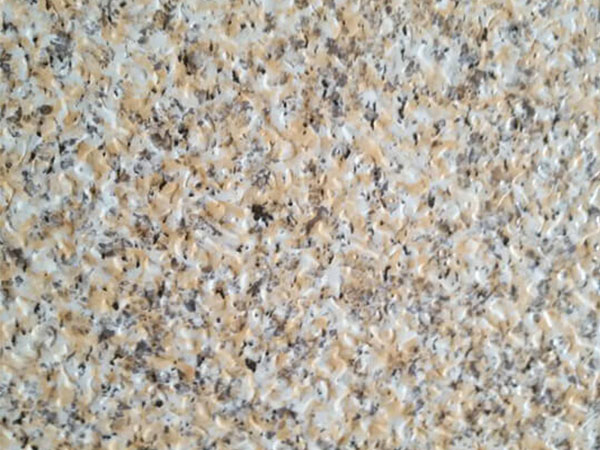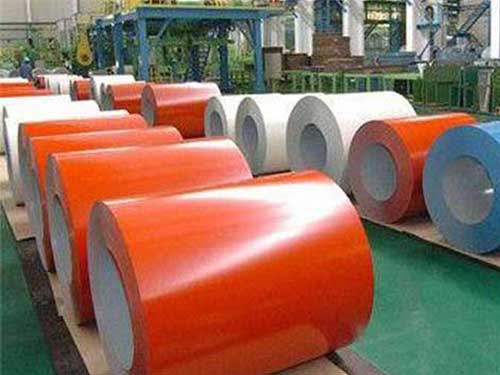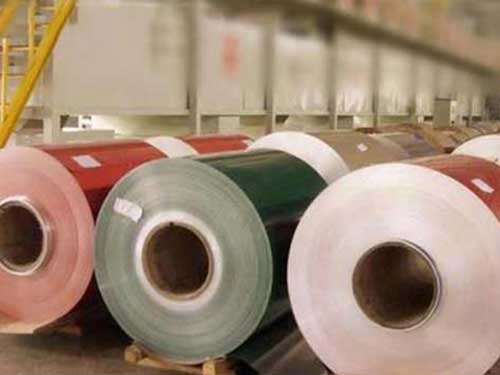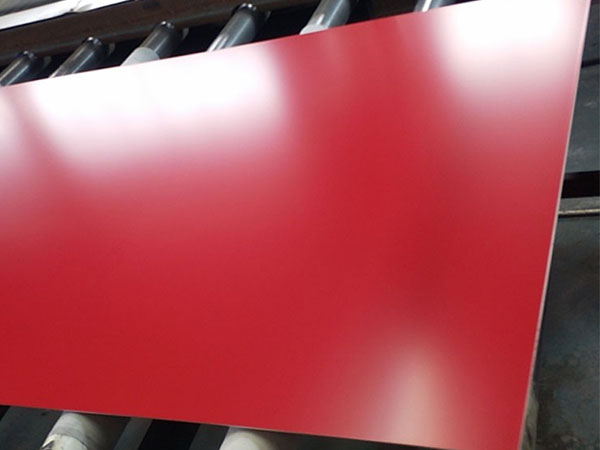
1050 1060 1100 3003 hard anodized coated aluminum plates
Hard anodized coated aluminum plates made from 1050, 1060, 1100, and 3003 alloys sit in a practical "sweet spot" for many industries: they offer the lightweight formability and cost efficiency of common aluminum grades, then gain a dramatic surface upgrade through hard anodizing and optional sealing or top-coating. A useful way to view these plates is not simply as "aluminum with a coating," but as a two-layer engineering material: a ductile, conductive metal core paired with a ceramic-like oxide skin that changes how the plate wears, insulates, slides, and survives harsh environments.
What "hard anodized coated" really means in function
Hard anodizing (often associated with Type III anodizing) converts the aluminum surface into a dense aluminum oxide layer. This oxide is integral to the substrate, not paint sitting on top. In operation, that difference matters: the oxide resists abrasion, reduces galling, improves dielectric performance, and stands up to salt, humidity, and many industrial atmospheres. When sealing is applied, pores in the oxide are closed to improve corrosion resistance and stain resistance. When a secondary coating is added on top of the anodized layer, it can further tune friction, color stability, chemical resistance, or cleanability.
From a functional perspective, the anodized layer acts like a thin ceramic shell while the plate remains easy to machine and fabricate. That hybrid behavior is why these alloys keep showing up in automation tooling, electronics housings, marine components, heat-transfer panels with protected surfaces, architectural trim, and lightweight wear plates.
Why these alloys: 1050, 1060, 1100, and 3003 as "coating-first" substrates
These grades are popular not because they are the strongest aluminum alloys, but because they anodize uniformly, form readily, and keep costs predictable.
1050, 1060, and 1100 belong to the commercially pure aluminum family. They are valued for very high aluminum content, excellent corrosion resistance, and high electrical/thermal conductivity. Their anodized finishes tend to look clean and consistent, making them attractive when appearance and uniform coating quality matter.
3003 is an Al-Mn alloy, often chosen when slightly higher strength is needed without losing good formability. In many sheet and plate uses, 3003 brings better mechanical robustness than the pure series while still anodizing reliably.
Applications seen through a "surface-behavior" lens
Instead of grouping applications by industry, it's often clearer to group them by what the surface must do.
For wear and sliding contact, hard anodized 3003 or 1100 plates are used for machine guards, packaging line guides, light-duty wear rails, and fixture plates where friction and abrasion would chew up bare aluminum.
For corrosion and cleanliness, sealed hard anodized plates appear in food-adjacent equipment covers, lab furniture panels, marine interiors, and enclosure skins where frequent wipe-down and humidity resistance are required.
For insulation and electronics, the anodic oxide provides dielectric strength, enabling uses in power electronics backplates, insulating spacers, capacitor housings, and battery module components, especially when designers need metal stiffness with an electrically insulating surface.
For appearance plus durability, these plates are used in signage substrates, architectural panels, decorative trims, consumer product shells, and instrument faceplates where a stable, scratch-resistant finish supports long service life.
Typical parameters customers care about
Because hard anodizing is a conversion layer, "thickness" is a buying parameter. In many projects, customers specify the alloy/temper first, then lock down the anodized layer thickness and sealing method based on wear, corrosion, and dielectric needs.
Common supply parameters include plate thickness from about 0.5 mm up to 50 mm, with many high-volume uses concentrated in the 1.0–10.0 mm range. Hard anodized layer thickness is often 25–60 μm, and can be higher in specialized wear designs depending on alloy and process capability. Color is frequently natural (gray to dark gray for hard anodize), with black as a common option. Surface finish can be matte, satin, or light polish prior to anodizing; pre-finish affects the final look because the oxide replicates the substrate texture.
performance expectations, depending on process, include high surface hardness, improved abrasion resistance, increased corrosion resistance after sealing, and meaningful electrical insulation relative to bare metal. Dimensional change should be considered: anodizing grows both inward and outward from the original surface, so tight-tolerance components often require machining allowances.
Temper conditions and forming considerations
These alloys are commonly supplied in O (annealed) for deep forming and bending, H14/H16/H18 for strain-hardened sheet strength, and sometimes H24/H22 variants depending on mill route. For plate applications, H temper is frequent when stiffness and dent resistance are desired.
A distinctive point for hard anodizing is that temper affects how parts behave after coating: harder tempers reduce risk of handling dents before anodizing, while softer tempers can be advantageous for post-anodize assembly features that rely on forming. Most bending and forming should be done before anodizing, since the oxide layer is hard and can crack if severely deformed after coating.
Implementation standards and common inspection references
Projects often reference international standards to define coating type, thickness, and quality expectations. Commonly cited frameworks include ISO 7599 for anodizing on aluminum and its alloys, ASTM B580 as a general anodic coating specification, and MIL-A-8625 (particularly Type III) for hard anodic coatings in more technical procurement environments. Actual callouts vary by region and application, but specifying the standard, coating class/type, thickness, sealing, and any dye/topcoat requirements is the most reliable path to consistent results.
Chemical composition table (typical ranges)
Below are commonly referenced composition limits for these alloys. Actual certificates follow the producing mill's standards and applicable national specifications.
| Alloy | Si (max) | Fe (max) | Cu (max) | Mn (max) | Mg (max) | Zn (max) | Ti (max) | Al |
|---|---|---|---|---|---|---|---|---|
| 1050 | 0.25 | 0.40 | 0.05 | 0.05 | 0.05 | 0.07 | 0.05 | ≥ 99.50 |
| 1060 | 0.25 | 0.35 | 0.05 | 0.03 | 0.03 | 0.05 | 0.03 | ≥ 99.60 |
| 1100 | 0.95 (Si+Fe) | 0.95 (Si+Fe) | 0.05–0.20 | 0.05 | - | 0.10 | - | ≥ 99.00 |
| 3003 | 0.60 | 0.70 | 0.05–0.20 | 1.0–1.5 | - | 0.10 | - | Remainder |
Notes: Dashes indicate "not typically specified" or only residual control in many specs. For 1100, Si and Fe are often combined as a single limit. Always confirm exact limits against the governing standard and mill test report for your order.
Choosing the right grade quickly
If your priority is maximum conductivity and the cleanest anodized appearance, 1050/1060/1100 are usually the first stop. If you need a stronger substrate for panels that see more handling, vibration, or fastening stress, 3003 is often the pragmatic upgrade while still anodizing well. Then let the coating do the heavy lifting: specify hard anodize thickness for wear, sealing for corrosion, and any topcoat where chemical contact, aesthetics, or low friction are critical.
In short, 1050, 1060, 1100, and 3003 hard anodized coated aluminum plates are best understood as engineered surfaces attached to efficient aluminum cores. That perspective helps buyers specify what truly matters: how the plate will behave in contact, in weather, under electricity, and across years of use.
https://www.alusheets.com/a/1050-1060-1100-3003-hard-anodized-coated-aluminum-plates.html