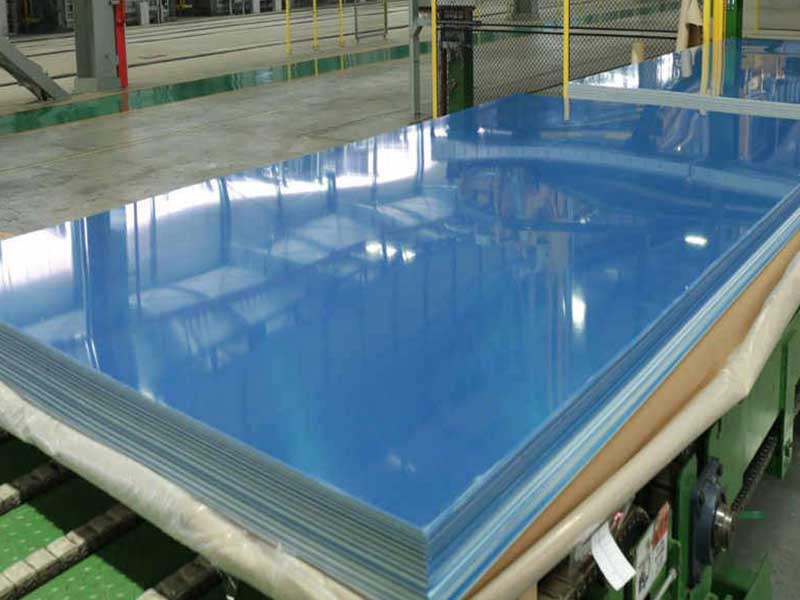
Metal aluminum plate
Metal aluminum plates are vital materials widely used across various industries due to their excellent blend of physical and chemical properties. Known for being lightweight, corrosion-resistant, and versatile, aluminum plates serve as a fundamental component in manufacturing, construction, transportation, and more.
What is a Metal Aluminum Plate?
Aluminum plates refer to flat, thick sheets of aluminum or aluminum alloy metal typically ranging in thickness from 4 mm (approximately 0.16 inches) or more. Compared to thinner aluminum sheets or foils, aluminum plates offer enhanced strength and structural integrity, making them ideal for heavy-duty applications requiring durability and workability.
Core Functions and Advantages
Lightweight Strength
Aluminum has about one-third the density of steel but maintains a good strength-to-weight ratio. This helps reduce overall weight in applications like transportation where efficiency matters.
Corrosion Resistance
Aluminum naturally forms a protective oxide surface layer that prevents further oxidation, contributing to excellent resistance to rust and corrosion in various environments.
Thermal and Electrical Conductivity
Aluminum plates conduct heat and electricity well, making them useful in heat exchangers, electronic housing, and electrical transmission parts.
Formability and Machinability
The metal can be rolled, cut, welded, and machined with relative ease, providing design flexibility. Different temper conditions allow tuning the balance of strength and ductility depending on customer needs.
Recyclability and Sustainability
Aluminum plates are highly recyclable without a significant loss of properties, supporting environmentally conscious manufacturing and product life cycles.
Popular Applications of Aluminum Plates
Due to their broad range of functionalities, aluminum plates find plentiful uses, including but not limited to:
- Aerospace Components: Light aircraft bodies, wing assemblies, missile parts
- Transportation: Truck and shipbuilding, automotive body panels
- Construction & Architecture: Building facades, roofing, metal cladding and structural members
- Marine Environments: Corrosion-resistant components for yachts, boats, and underwater equipment
- Industrial Machinery: Platforms, presses, hydraulic parts, and plant components
- Electronics Handling: Heat sinks, frame structures, EMI/RFI shielding
Technical Details, Standards, and Specifications
the detailed chemistry, tempering, and mechanical qualities of aluminum plates helps selecting the correct variant based on specific operational requirements.
Chemical Composition (Typical Content % by Weight)
| Alloy Series | Silicon (Si) | Iron (Fe) | Copper (Cu) | Manganese (Mn) | Magnesium (Mg) | Chromium (Cr) | Zinc (Zn) | Titanium (Ti) | Aluminum (Al) |
|---|---|---|---|---|---|---|---|---|---|
| 1000 Series | ≤ 0.25 | ≤ 0.40 | ≤ 0.05 | ≤ 0.05 | ≤ 0.05 | ≤ 0.05 | ≤ 0.05 | ≤ 0.03 | ≥ 99.0 |
| 3003 | 0.60–1.20 | ≤ 0.70 | ≤ 0.05 | 1.0–1.5 | 0.05–0.20 | ≤ 0.10 | ≤ 0.10 | ≤ 0.15 | Balance |
| 5052 | ≤ 0.25 | ≤ 0.40 | ≤ 0.10 | ≤ 0.10 | 2.2–2.8 | ≤ 0.15 | ≤ 0.10 | ≤ 0.15 | Balance |
| 6061 | 0.40–0.8 | ≤ 0.70 | 0.15–0.4 | 0.15 | 0.8–1.2 | 0.04–0.35 | ≤ 0.25 | ≤ 0.15 | Balance |
Temper Designations and Descriptions
| Temper | Description | Typical Properties |
|---|---|---|
| O | Annealed (Softest state, fully annealed) | Maximum ductility, minimum strength |
| H1x | Strain Hardened (No thermal treatment) | Increased strength, retains formed shape |
| H2x | Strain Hardened and partially annealed | Balanced strength and corrosion resistance |
| H3x | Strain Hardened and stabilized | Reduced tendency to age harden |
| T4 | Solution Heat-treated and naturally aged | Good corrosion resistance and medium strength |
| T6 | Solution heat-treated and artificially aged | High strength and hardness |
| T651 | T6 with stress relief by stretching tensily | Improved machinability and directional stability |
Mechanical Properties (Example: 6061-T6 Aluminum Plate)
| Property | Value | Unit |
|---|---|---|
| Density | 2.70 | g/cm³ |
| Tensile Strength | 290–310 | MPa |
| Yield Strength | 240–275 | MPa |
| Elongation at Break | 8–12 | % |
| Brinell Hardness | 95 | HB |
| Thermal Conductivity | ~166 | W/m·K |
| Electrical Conductivity | ~42 | % IACS |
Common Industry Standards
| Standard Reference | Scope |
|---|---|
| ASTM B209 | Aluminum and Aluminum-Alloy Sheet and Plate |
| AMS QQ-A-200/9 | Advanced aluminum alloy plates |
| EN 485 | Aluminum and aluminum alloy sheet/plate standards |
| ISO 6361 | Wrought aluminum plates |
| JIS H4000 | Aluminum alloys Japanese industrial standard |
Choosing the Right Aluminum Plate
Selecting the appropriate aluminum plate depends heavily on the application criteria including strength, corrosion resistance, machinability, and thermal or electrical conductivity. For structural applications, 6061-T6 offers excellent strength with good corrosion resistance. For decorative or anti-rust facades, 3003 or 5052 may be preferred due to better forming capabilities and corrosion resistance in marine conditions. Pure aluminum (>99%) in the 1000 series excels where conductivity and corrosion resistance outweigh strength concerns.